Product Description
SYPT L090 Jaw Type couplings are offered in the industry’s largest variety of stock bore/keyway combinations.
These couplings require no lubrication and provide highly reliable service for light, medium, and heavy duty electrical motor and internal combustion power transmission applications.
Now we provide 3 different kinds of the inserts,rubber,urethane and hytrel,color can be made to order..
For the hubs,commom material is GG25 and aluminum.
Please contact us to learn more.
ZheJiang shine transmission machinery Co., Ltd is specialized in manufacturing and selling transmission products. Our products are exported to the world famous machinery company in Europe, America, South Africa, Australia, southeast Asia etc.
Our main products include: European pulley, American pulley, couplings, taper bushing, qd bush, lock element, adjustable motor base, motor rail, sprockets, chain, bolt on hubs, weld on hubs, jaw crusher equipment & spare parts and all kinds of non-standard Casting products etc.
The good quality of our products is demonstrated in various machinery equipment. For example, mining equipment, grain equipment, fan, air compressor, vacuum pump, woodworking machinery, papermaking machinery, mixing equipment etc.
Our slogan is”qualified products win customers, good service benefits customers”. By establishing a closer cooperation with old and new clients, We’ Ll be able to guarantee a CZPT situation develop and progress together.
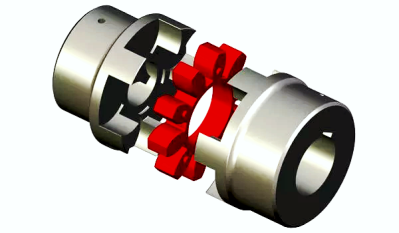
Could you provide examples of industries or applications where spider couplings are commonly used?
Spider couplings find application in a wide range of industries and mechanical systems where torque transmission, misalignment compensation, and vibration dampening are important. Here are some examples of industries and applications where spider couplings are commonly used:
- Manufacturing: Spider couplings are used in various manufacturing equipment, including conveyor systems, packaging machinery, and CNC machines. They help transmit torque between motors and shafts while accommodating misalignment.
- Agriculture: Agricultural equipment such as tractors, combines, and harvesters often use spider couplings to connect and transmit power between different components.
- Automotive: Spider couplings can be found in automotive applications, including drive shaft connections and steering systems, where they help transfer torque and accommodate movement.
- Pumps and Compressors: Spider couplings are used in pumps and compressors to connect motors to impellers or rotors, ensuring efficient torque transmission and vibration isolation.
- Material Handling: Material handling systems, including conveyors, elevators, and cranes, use spider couplings to connect various components and transfer torque.
- Printing and Packaging: Spider couplings are used in printing presses, packaging machines, and labeling systems to ensure precise torque transmission and compensate for misalignment.
- Textile Machinery: Textile manufacturing equipment such as spinning machines and looms utilize spider couplings to connect drive components and transmit power efficiently.
- Food and Beverage: Spider couplings are used in food processing equipment and beverage production lines, where they provide sanitary and reliable torque transmission.
These examples illustrate the versatility of spider couplings in various industries and applications. Their ability to handle torque transmission, misalignment compensation, and vibration reduction makes them a practical choice for a wide range of mechanical systems.
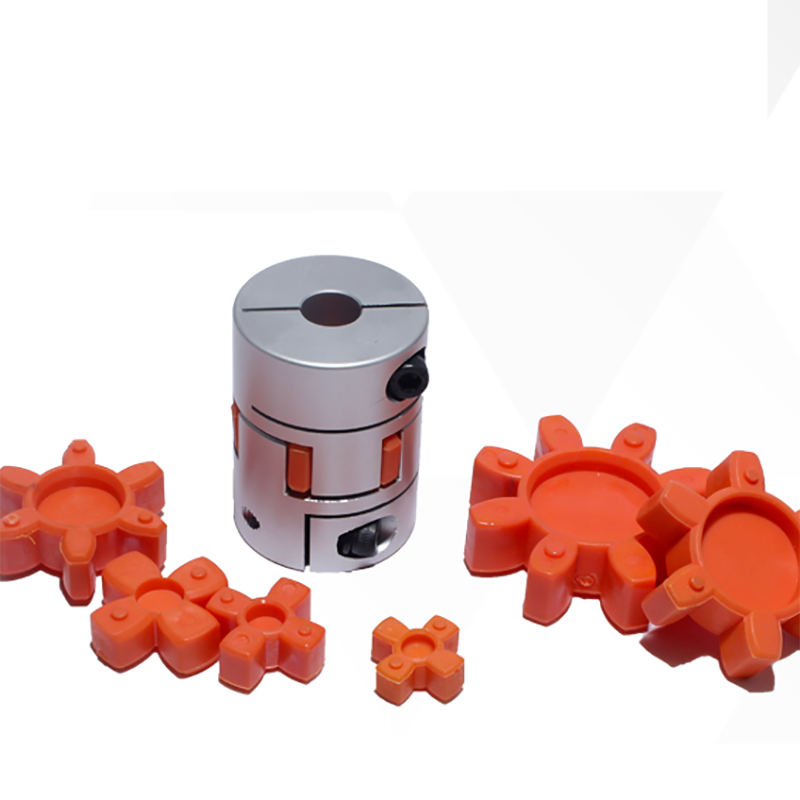
Can you explain the concept of torsional stiffness in relation to spider couplings?
Torsional stiffness is a crucial concept in the design and functionality of spider couplings. It refers to the ability of a coupling to resist rotational deformation (twisting) when subjected to a torque load. In other words, torsional stiffness measures how much a coupling can maintain its shape and transmit torque without excessive twisting or deformation.
In the context of spider couplings:
- High Torsional Stiffness: A coupling with high torsional stiffness exhibits minimal angular deflection or twisting when torque is applied. This ensures accurate torque transmission and precise alignment between connected shafts. High torsional stiffness is especially important in applications that require accurate positioning and synchronization.
- Low Torsional Stiffness: A coupling with low torsional stiffness allows for some degree of angular misalignment between shafts and can accommodate slight variations in torque load. This flexibility can be advantageous in applications where misalignment or shock absorption is necessary.
When selecting a spider coupling for a specific application, the torsional stiffness of the coupling needs to be considered based on the requirements of the machinery system. The choice between high and low torsional stiffness depends on factors such as the level of precision needed, the type of load, the degree of misalignment, and the overall performance objectives.
It’s important to note that while torsional stiffness is a key consideration, other factors like the material of the elastomeric spider, size of the coupling, and the type of spider profile also play a role in the coupling’s overall performance and behavior.
Are there different types of spider couplings available for various uses?
Yes, there are different types of spider couplings available to suit various industrial applications and requirements. These variations in design and material offer flexibility in choosing the right coupling for specific uses. Here are some common types of spider couplings:
- Standard Jaw Couplings: These couplings feature a simple design with two hubs and an elastomeric spider. They are suitable for general-purpose applications that require misalignment compensation and torque transmission.
- Curved Jaw Couplings: These couplings have curved lobes on the elastomeric spider, allowing for increased misalignment compensation and dampening of vibrations. They offer higher torque capacity and are commonly used in pumps, compressors, and conveyors.
- Spider Couplings with Spacer: These couplings include a spacer between the hubs, allowing for greater axial misalignment compensation. They are used in applications with longer distances between shafts.
- Lovejoy Couplings: Lovejoy couplings are a specific brand of spider couplings known for their high torque capacity, durability, and ease of installation. They come in various styles, including standard, curved jaw, and split type.
- Bowex Couplings: Bowex couplings are designed for applications with high torque requirements and aggressive operating conditions. They offer excellent misalignment compensation and are used in heavy-duty machinery.
- Insert Material Variations: Spider couplings come with elastomeric inserts made from various materials such as rubber, polyurethane, and thermoplastic. These materials offer different levels of flexibility, temperature resistance, and chemical resistance.
- Electrically Insulating Spider Couplings: Some spider couplings are designed with electrically insulating materials to prevent electrical current transmission between shafts. These couplings are used in applications where electrical isolation is critical.
The choice of spider coupling type depends on factors such as torque requirements, misalignment compensation needed, operating conditions, and industry-specific requirements. Proper selection ensures optimal performance, extended equipment lifespan, and reduced maintenance needs.


editor by CX 2023-08-17
China factory Plum Flower Flexible Shaft Coupling Encoder CZPT Rubber Spider Coupling Aluminum Transmission
Product Description
Excellent powder metallurgy parts metallic sintered parts
We could offer various powder metallurgy parts including iron based and copper based with top quality and cheapest price, please only send the drawing or sample to us, we will according to customer’s requirement to make it. if you are interested in our product, please do not hesitate to contact us, we would like to offer the top quality and best service for you. thank you!
How do We Work with Our Clients
1. For a design expert or a big company with your own engineering team: we prefer to receive a fully RFQ pack from you including drawing, 3D model, quantity, pictures;
2. For a start-up company owner or green hand for engineering: just send an idea that you want to try, you don’t even need to know what casting is;
3. Our sales will reply you within 24 hours to confirm further details and give the estimated quote time;
4. Our engineering team will evaluate your inquiry and provide our offer within next 1~3 working days.
5. We can arrange a technical communication meeting with you and our engineers together anytime if required.
| Place of origin: | Jangsu,China |
| Type: | Powder metallurgy sintering |
| Spare parts type: | Powder metallurgy parts |
| Machinery Test report: | Provided |
| Material: | Iron,stainless,steel,copper |
| Key selling points: | Quality assurance |
| Mould type: | Tungsten steel |
| Material standard: | MPIF 35,DIN 3571,JIS Z 2550 |
| Application: | Small home appliances,Lockset,Electric tool, automobile, |
| Brand Name: | OEM SERVICE |
| Plating: | Customized |
| After-sales Service: | Online support |
| Processing: | Powder Metallurgr,CNC Machining |
| Powder Metallurgr: | High frequency quenching, oil immersion |
| Quality Control: | 100% inspection |
The Advantage of Powder Metallurgy Process
1. Cost effective
The final products can be compacted with powder metallurgy method ,and no need or can shorten the processing of machine .It can save material greatly and reduce the production cost .
2. Complex shapes
Powder metallurgy allows to obtain complex shapes directly from the compacting tooling ,without any machining operation ,like teeth ,splines ,profiles ,frontal geometries etc.
3. High precision
Achievable tolerances in the perpendicular direction of compacting are typically IT 8-9 as sintered,improvable up to IT 5-7 after sizing .Additional machining operations can improve the precision .
4. Self-lubrication
The interconnected porosity of the material can be filled with oils ,obtaining then a self-lubricating bearing :the oil provides constant lubrication between bearing and shaft ,and the system does not need any additional external lubricant .
5. Green technology
The manufacturing process of sintered components is certified as ecological ,because the material waste is very low ,the product is recyclable ,and the energy efficiency is good because the material is not molten.
FAQ
Q1: What is the type of payment?
A: Usually you should prepay 50% of the total amount. The balance should be pay off before shipment.
Q2: How to guarantee the high quality?
A: 100% inspection. We have Carl Zeiss high-precision testing equipment and testing department to make sure every product of size,appearance and pressure test are good.
Q3: How long will you give me the reply?
A: we will contact you in 12 hours as soon as we can.
Q4. How about your delivery time?
A: Generally, it will take 25 to 35 days after receiving your advance payment. The specific delivery time depends on the items and the quantity of your order. and if the item was non standard, we have to consider extra 10-15days for tooling/mould made.
Q5. Can you produce according to the samples or drawings?
A: Yes, we can produce by your samples or technical drawings. We can build the molds and fixtures.
Q6: How about tooling Charge?
A: Tooling charge only charge once when first order, all future orders would not charge again even tooling repair or under maintance.
Q7: What is your sample policy?
A: We can supply the sample if we have ready parts in stock, but the customers have to pay the sample cost and the courier cost.
Q8: How do you make our business long-term and good relationship?
A: 1. We keep good quality and competitive price to ensure our customers benefit ;
2. We respect every customer as our friend and we sincerely do business and make friends with them, no matter where they come from.
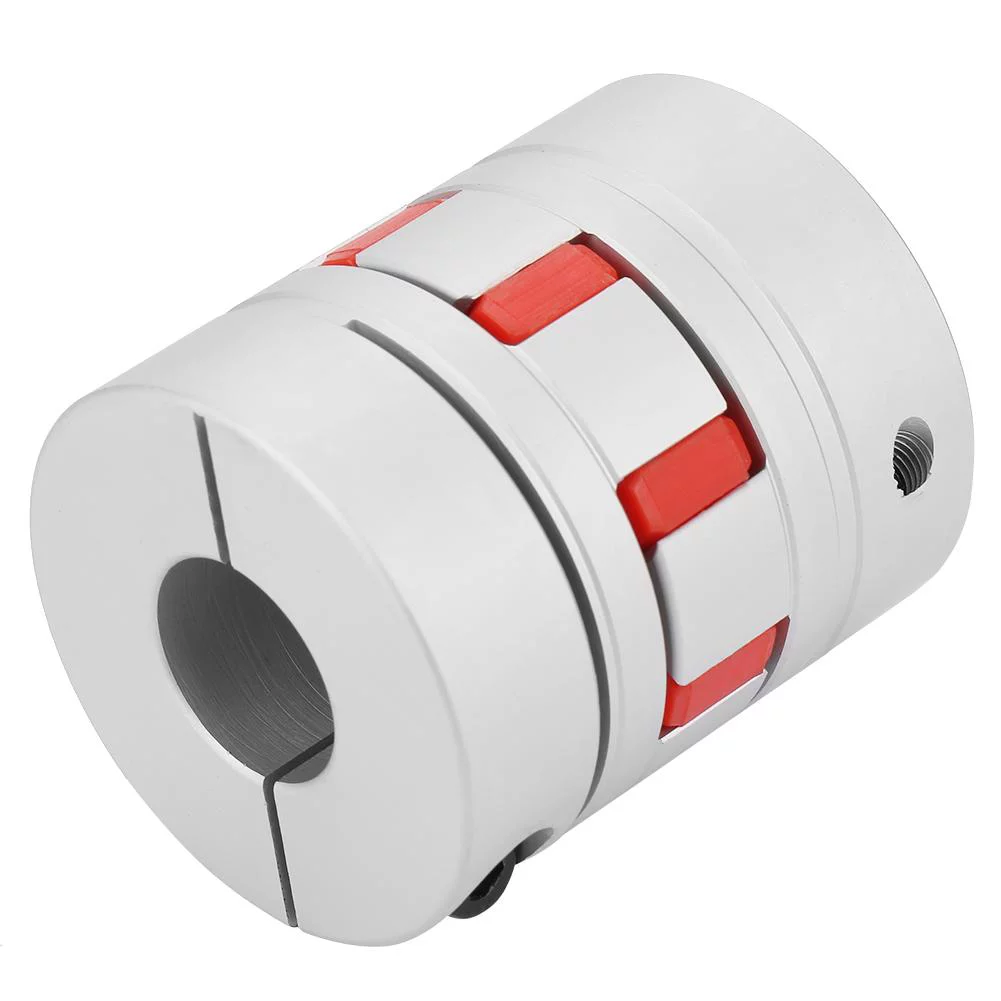
What are the common challenges associated with spider coupling misalignment and how can they be addressed?
Misalignment is a common challenge in spider couplings that can lead to reduced efficiency, increased wear, and potential coupling failure. Here are the common challenges associated with misalignment and how they can be addressed:
- Reduced Torque Transmission: Misalignment can decrease the effective torque transmitted between the shafts, leading to inefficiency and potential overload. Regularly check and align the shafts according to the manufacturer’s recommendations to ensure proper torque transmission.
- Vibration and Noise: Misalignment can cause excessive vibrations and noise in the machinery. Implement precision alignment techniques during installation to minimize misalignment-induced vibrations and noise.
- Increased Wear: Misalignment results in uneven loading on the elastomeric spider, causing premature wear and potential failure. Regularly inspect the coupling for signs of wear and replace the elastomeric spider if necessary. Address misalignment promptly to prevent excessive wear.
- Heat Generation: Misalignment can generate heat due to friction between the elastomeric spider and the hubs. This can lead to accelerated wear and reduced coupling lifespan. Proper alignment helps minimize heat generation and associated issues.
- Shaft Fatigue: Severe misalignment can induce shaft fatigue and stress concentrations, leading to shaft failure over time. Avoid excessive misalignment and ensure that the coupling is properly aligned during installation.
- Reduced Service Life: Misalignment puts additional stress on the elastomeric spider, reducing its service life. Proper alignment and maintenance practices can extend the service life of the coupling.
- Performance Variations: Misalignment can lead to variations in performance and inconsistent operation of the machinery. Regularly monitor the coupling’s performance and address any issues promptly to ensure consistent operation.
To address these challenges, it’s crucial to prioritize precision alignment during the installation of the spider coupling. Follow the manufacturer’s guidelines for alignment tolerances and use alignment tools and techniques to achieve accurate alignment. Regular maintenance, including inspections and alignment checks, will help mitigate the negative effects of misalignment and ensure the reliable performance of spider couplings in industrial applications.
Can you explain the concept of torsional stiffness in relation to spider couplings?
Torsional stiffness is a crucial concept in the design and functionality of spider couplings. It refers to the ability of a coupling to resist rotational deformation (twisting) when subjected to a torque load. In other words, torsional stiffness measures how much a coupling can maintain its shape and transmit torque without excessive twisting or deformation.
In the context of spider couplings:
- High Torsional Stiffness: A coupling with high torsional stiffness exhibits minimal angular deflection or twisting when torque is applied. This ensures accurate torque transmission and precise alignment between connected shafts. High torsional stiffness is especially important in applications that require accurate positioning and synchronization.
- Low Torsional Stiffness: A coupling with low torsional stiffness allows for some degree of angular misalignment between shafts and can accommodate slight variations in torque load. This flexibility can be advantageous in applications where misalignment or shock absorption is necessary.
When selecting a spider coupling for a specific application, the torsional stiffness of the coupling needs to be considered based on the requirements of the machinery system. The choice between high and low torsional stiffness depends on factors such as the level of precision needed, the type of load, the degree of misalignment, and the overall performance objectives.
It’s important to note that while torsional stiffness is a key consideration, other factors like the material of the elastomeric spider, size of the coupling, and the type of spider profile also play a role in the coupling’s overall performance and behavior.
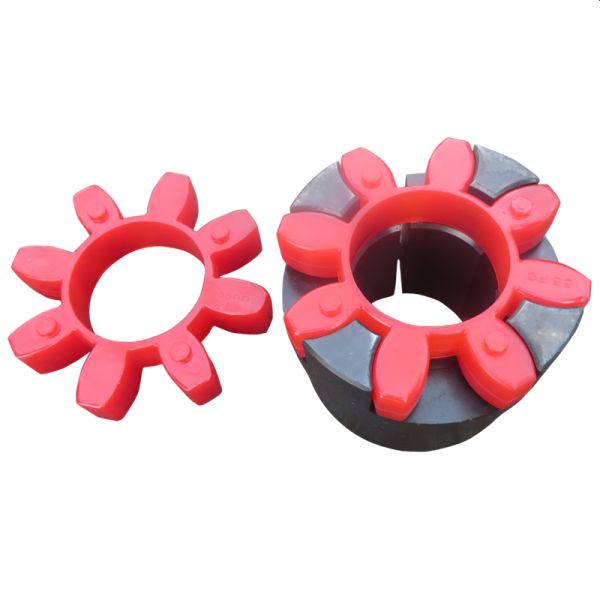
What factors should be considered when selecting a spider coupling for a specific application?
Choosing the right spider coupling for a specific application requires careful consideration of various factors to ensure optimal performance and reliability. Here are the key factors to consider:
- Torque Requirements: Determine the torque that the coupling needs to transmit between the shafts. Select a spider coupling that can handle the required torque without exceeding its limitations.
- Misalignment Compensation: Assess the type and degree of misalignment that the coupling needs to accommodate. Different spider coupling designs offer varying levels of misalignment compensation.
- Operating Conditions: Consider the operating environment, including temperature, humidity, and exposure to chemicals or contaminants. Choose a spider coupling with elastomeric material that can withstand these conditions.
- Shaft Diameters: Measure the diameters of the connected shafts. Ensure that the selected spider coupling matches the shaft sizes to achieve a secure and reliable fit.
- Space Limitations: Evaluate the available space for installing the coupling. Choose a compact spider coupling design that fits within the available dimensions.
- Shaft Speed: Determine the rotational speed of the shafts. Ensure that the selected spider coupling can handle the speed range without causing excessive wear or vibrations.
- Vibration Dampening: If vibration reduction is a priority, select a spider coupling with elastomeric material that offers effective vibration dampening properties.
- Electrical Isolation: In applications where electrical isolation is necessary, choose a spider coupling with electrically insulating properties to prevent current transmission between shafts.
- Chemical Compatibility: If the machinery operates with specific chemicals or fluids, ensure that the elastomeric material of the coupling is compatible with these substances.
- Cost Consideration: Evaluate the budget available for the coupling. Consider both the upfront cost and the potential savings from reduced maintenance and downtime.
- Manufacturer Reputation: Choose spider couplings from reputable manufacturers known for producing high-quality and reliable products.
- Application Type: Different industries and applications have unique requirements. Consider the specific demands of the application, such as pumps, compressors, conveyors, etc.
By carefully evaluating these factors, you can select a spider coupling that best matches the requirements of your application, ensuring efficient power transmission, misalignment compensation, and overall system performance.
editor by CX 2023-08-14
China Good quality CZPT Jaw Gr/Ge/GS Coupling with Spider Insert
Product Description
Product Description
COUPLINGS
| HRC | FCL | Chain coupling | GE | L | NM | MH | Torque limiter |
| HRC 70B | FCL90 | KC4012 | GE14 | L050 | NM50 | MH45 | TL250-2 |
| HRC 70F | FCL100 | KC4014 | GE19 | L070 | NM67 | MH55 | TL250-1 |
| HRC 70H | FCL112 | KC4016 | GE24 | L075 | NM82 | MH65 | TL350-2 |
| HRC 90B | FCL125 | KC5014 | GE28 | L090 | NM97 | MH80 | TL350-1 |
| HRC 90F | FCL140 | KC5016 | GE38 | L095 | NM112 | MH90 | TL500-2 |
| HRC 90H | FCL160 | KC6018 | GE42 | L099 | NM128 | MH115 | TL500-1 |
| HRC 110B | FCL180 | KC6571 | GE48 | L100 | NM148 | MH130 | TL700-2 |
| HRC 110F | FCL200 | KC6571 | GE55 | L110 | NM168 | MH145 | TL700-1 |
| HRC 110H | FCL224 | KC8018 | GE65 | L150 | NM194 | MH175 | |
| HRC 130B | FCL250 | KC8571 | GE75 | L190 | NM214 | MH200 | |
| HRC 130F | FCL280 | KC8571 | GE90 | L225 | |||
| HRC 130H | FCL315 | KC1571 | |||||
| HRC 150B | FCL355 | KC12018 | |||||
| HRC 150F | FCL400 | KC12571 | |||||
| HRC 150H | FCL450 | ||||||
| HRC 180B | FCL560 | ||||||
| HRC 180F | FCL630 | ||||||
| HRC 180H | |||||||
| HRC 230B | |||||||
| HRC 230F | |||||||
| HRC 230H | |||||||
| HRC 280B | |||||||
| HRC 280F | |||||||
| HRC 280H |
Catalogue
Workshop
Lots of coupling in stock
FAQ
Q1: Are you trading company or manufacturer ?
A: We are factory.
Q2: How long is your delivery time and shipment?
1.Sample Lead-times: 10-20 days.
2.Production Lead-times: 30-45 days after order confirmed.
Q3: What is your advantages?
1. The most competitive price and good quality.
2. Perfect technical engineers give you the best support.
3. OEM is available.
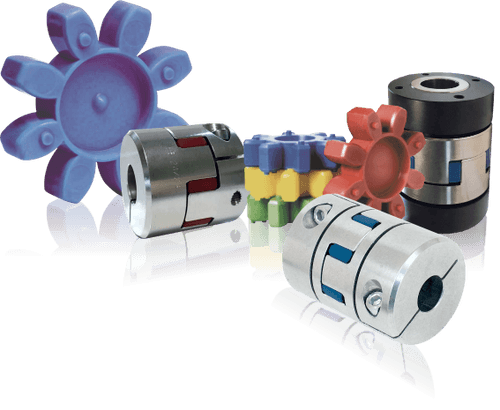
Can a spider coupling handle high levels of torque and angular misalignment?
Yes, a spider coupling is designed to handle a range of torque levels and accommodate angular misalignment. The elastomeric spider element, which is a key component of the coupling, provides the flexibility needed to transmit torque and compensate for misalignment. Here’s how a spider coupling handles these factors:
- High Torque: Spider couplings are engineered to transmit torque efficiently. The elastomeric spider deforms slightly under torque load, allowing it to transfer power between the shafts. The specific torque capacity depends on the design, materials, and size of the coupling. High-performance spider couplings can handle significant torque loads, making them suitable for various industrial applications.
- Angular Misalignment: Spider couplings can accommodate angular misalignment between the connected shafts. The elastomeric spider can flex in different directions, allowing for a certain degree of angular deviation between the shafts. This flexibility helps prevent excessive stress on the shafts and components, enhancing the coupling’s lifespan and reliability.
However, it’s important to note that while spider couplings can handle a range of torque levels and angular misalignment, there are limitations to how much misalignment they can compensate for. Excessive misalignment can lead to premature wear and reduced coupling performance. It’s recommended to follow the manufacturer’s guidelines for allowable misalignment and torque capacity to ensure optimal coupling performance and longevity.
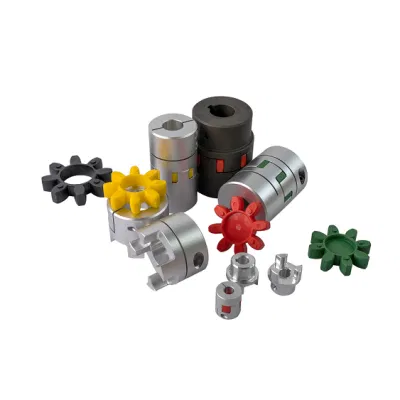
What are the best practices for ensuring proper lubrication of spider couplings?
Proper lubrication is essential for maintaining the performance and lifespan of spider couplings. Here are some best practices to ensure proper lubrication:
- Use the Right Lubricant: Select a lubricant that is recommended by the coupling manufacturer. The lubricant should be compatible with the elastomeric spider material and the operating conditions of the machinery.
- Follow Manufacturer’s Guidelines: Adhere to the lubrication schedule and guidelines provided by the manufacturer. They will specify the appropriate lubrication intervals and the quantity of lubricant to be applied.
- Clean the Components: Before applying lubricant, make sure the coupling components are clean and free of dirt, debris, and old lubricant residues. Cleaning the components prevents contamination of the new lubricant.
- Apply Lubricant Evenly: Apply the lubricant evenly on all contact surfaces of the elastomeric spider and the coupling hub. Avoid over-lubrication, which can lead to excess buildup and potential slippage.
- Use Lubrication Tools: Some couplings may have lubrication ports or fittings that facilitate the application of lubricant. If such features are present, use the appropriate lubrication tools to ensure thorough coverage.
- Operate Coupling After Lubrication: After applying lubricant, operate the coupling for a short period to ensure that the lubricant is evenly distributed across the contact surfaces. This helps in preventing dry spots and optimizing lubrication effectiveness.
- Monitor Lubricant Condition: Regularly inspect the condition of the lubricant during routine maintenance checks. If you notice signs of contamination, degradation, or insufficient lubrication, take corrective actions promptly.
- Consider Operating Conditions: Environmental factors such as temperature, humidity, and exposure to chemicals can affect the performance of lubricants. Choose a lubricant that can withstand the specific operating conditions of the machinery.
- Document Lubrication Activities: Keep a record of lubrication activities, including the type of lubricant used, lubrication intervals, and the results of lubrication checks. This documentation helps track the history of lubrication and informs future maintenance decisions.
By following these best practices for lubrication, you can ensure that the elastomeric spider remains properly lubricated, reducing friction, wear, and the potential for premature coupling failure.
Are there different types of spider couplings available for various uses?
Yes, there are different types of spider couplings available to suit various industrial applications and requirements. These variations in design and material offer flexibility in choosing the right coupling for specific uses. Here are some common types of spider couplings:
- Standard Jaw Couplings: These couplings feature a simple design with two hubs and an elastomeric spider. They are suitable for general-purpose applications that require misalignment compensation and torque transmission.
- Curved Jaw Couplings: These couplings have curved lobes on the elastomeric spider, allowing for increased misalignment compensation and dampening of vibrations. They offer higher torque capacity and are commonly used in pumps, compressors, and conveyors.
- Spider Couplings with Spacer: These couplings include a spacer between the hubs, allowing for greater axial misalignment compensation. They are used in applications with longer distances between shafts.
- Lovejoy Couplings: Lovejoy couplings are a specific brand of spider couplings known for their high torque capacity, durability, and ease of installation. They come in various styles, including standard, curved jaw, and split type.
- Bowex Couplings: Bowex couplings are designed for applications with high torque requirements and aggressive operating conditions. They offer excellent misalignment compensation and are used in heavy-duty machinery.
- Insert Material Variations: Spider couplings come with elastomeric inserts made from various materials such as rubber, polyurethane, and thermoplastic. These materials offer different levels of flexibility, temperature resistance, and chemical resistance.
- Electrically Insulating Spider Couplings: Some spider couplings are designed with electrically insulating materials to prevent electrical current transmission between shafts. These couplings are used in applications where electrical isolation is critical.
The choice of spider coupling type depends on factors such as torque requirements, misalignment compensation needed, operating conditions, and industry-specific requirements. Proper selection ensures optimal performance, extended equipment lifespan, and reduced maintenance needs.
editor by CX 2023-08-11
China manufacturer CNC Spider Jaw Coupling Diameter 20 Length 30high Precision Plum Flexible Shaft Couplings
Product Description
Product Description
DO NOT worry about PRICE, we are manufacturer.
DO NOT worry about QUALITY, we have 16 years experience.
DO NOT worry about AFTER-SALES, we are 24 hours online.
Features :
1. The main body is made of high strength aluminum alloy
2. Zero backlash, suitable for forward and reverse rotation
3.Colloid is made of polyurethane, which has good wear resistance
4.Oil resistance and electrical insulation, the middle elasticbody can absorb vibration
5. Compensate radial, angular and axial deviations
6. Removable design for easy installation
7. Tightening method of positioning screw
Suitable for a wide range of devices
CNC lathes Optical inspection equipment
Module slider Servo motor
Company Profile
Certifications
Packaging & Shipping
All products will be well packed with standard export wooden case or
cartons.
Shafts packed with paper tube or plastic bag;
Linear guideways or lead screwswrapped with film or plastic bag;
Guarantee well protected against dampness,moisture, rust and shock.
Our Advantages
FAQ
Q1: Do you have a catalogue? Can you send me the catalogue to have a check of all your products?
A: Yes , We have product catalogue.Please contact us on line or send an Email to sending the catalogue.
Q2: I can’t find the product on your catalogue, can you make this product for me?
A: Our catalogue shows most of our products,but not all.So just let us know what product do you need.
Q3 : Can you make customized products and customized packing?
A: Yes.We made a lot of customized products for our customer before.And we have many moulds for our customers already.About customized packing,we can put your Logo or other info on the packing.There is no problem.Just have to point out that ,it will cause some additional cost.
Q4: Can you provide samples ? Are the samples free ?
A: Yes,we can provide samples.Normally,we provide 1-2pcs free samples for test or quality checking.But you have to pay for the shipping cos.If you need many items, or need more qty for each item,we will charge for the samples.
Any requirements or question,Welcome to “Send” us an e-mail Now!
It’s our great honor to do services for you! You also can get the FREE SAMPLES soon.
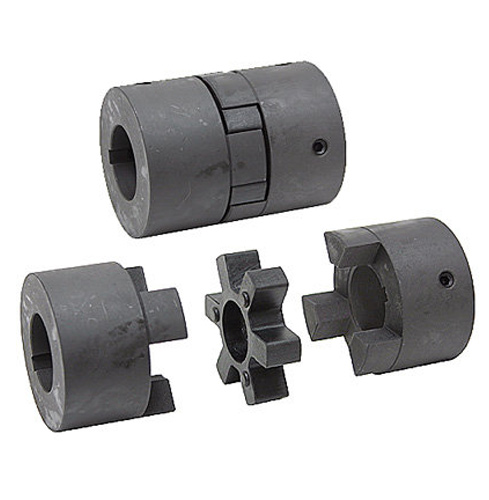
What materials are typically used in manufacturing spider couplings and why?
Spider couplings are constructed using a combination of materials to achieve durability, flexibility, and efficient torque transmission. The choice of materials depends on factors such as application requirements, environmental conditions, and the desired balance between strength and flexibility. Common materials used in manufacturing spider couplings include:
- Aluminum: Aluminum is lightweight and corrosion-resistant, making it suitable for applications where weight reduction is important. It offers good mechanical properties and can be used in various industries.
- Steel: Steel provides excellent strength and durability. It’s often used in heavy-duty applications where high torque transmission is required. Surface treatments can enhance corrosion resistance.
- Stainless Steel: Stainless steel offers corrosion resistance in aggressive environments. It’s commonly used in industries such as food processing, pharmaceuticals, and chemical processing.
- Cast Iron: Cast iron is known for its high compressive strength and wear resistance. It’s suitable for applications requiring robust construction and can handle high torque loads.
- Plastic/Polymer: Certain polymers and plastics, such as polyurethane or nylon, are used for the elastomeric spider element. These materials provide flexibility, vibration dampening, and misalignment compensation.
The choice of materials depends on the specific requirements of the application. For example, aluminum or stainless steel may be chosen for industries requiring corrosion resistance, while steel or cast iron may be selected for heavy-duty applications. The elastomeric spider is typically made from a durable polymer to ensure flexibility and effective torque transmission while accommodating misalignment. Overall, selecting the right materials ensures that spider couplings can withstand the demands of the intended application and provide reliable performance over their lifespan.
Are there any recent advancements or innovations in spider coupling technology?
Yes, there have been several recent advancements and innovations in spider coupling technology aimed at enhancing their performance, durability, and versatility. Some of the notable advancements include:
- Advanced Materials: Manufacturers are using new elastomeric materials that offer improved resistance to wear, temperature fluctuations, and chemicals. These materials extend the lifespan of spider couplings and broaden their range of applications.
- Enhanced Designs: Innovative design improvements are being made to optimize torque transmission, misalignment compensation, and vibration dampening. These designs aim to provide better coupling performance in various operating conditions.
- Customization: Some manufacturers offer customizable spider couplings to match specific application requirements. This includes tailoring the coupling’s stiffness, torque capacity, and damping characteristics to suit different machinery and industries.
- Smart Couplings: Integration of sensors and monitoring technology into spider couplings allows real-time data collection on factors such as temperature, vibration, and load distribution. This data helps in predictive maintenance and optimizing equipment performance.
- Composite Couplings: Composite materials are being utilized in spider couplings to provide a balance between lightweight design, high strength, and corrosion resistance. These couplings find applications in industries where weight reduction and durability are critical.
- Energy Efficiency: Some spider couplings are designed with energy efficiency in mind, aiming to reduce power losses due to damping while maintaining reliable torque transmission.
These advancements demonstrate the ongoing efforts to enhance spider coupling technology, making them more adaptable to modern machinery requirements. As technology continues to evolve, spider couplings are becoming increasingly sophisticated and capable of meeting the challenges posed by various industries and applications.
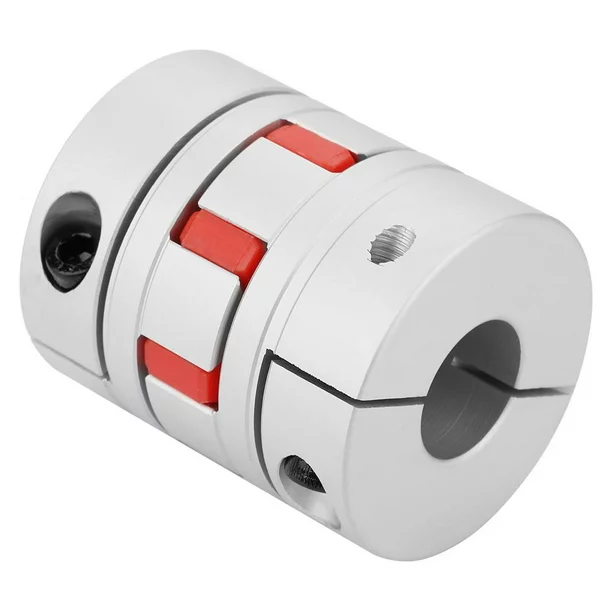
Can you explain the role of the elastomeric spider in a spider coupling’s function?
The elastomeric spider plays a critical role in the function of a spider coupling by providing flexibility, misalignment compensation, and vibration dampening. It is the central component that connects the two hubs of the coupling and transmits torque between the shafts. The elastomeric spider is typically made from a durable and resilient elastomer material, such as rubber or polyurethane. Here’s how the elastomeric spider contributes to the spider coupling’s operation:
- Flexibility: The elastomeric material of the spider allows it to flex and deform as torque is transmitted between the shafts. This flexibility accommodates misalignment between the shafts, including angular, radial, and axial misalignment.
- Misalignment Compensation: The spider coupling’s design incorporates the elastomeric spider’s ability to stretch and compress. This allows it to absorb and compensate for minor misalignments that can occur due to manufacturing tolerances, thermal expansion, or external forces.
- Vibration Dampening: The elastomeric material of the spider acts as a cushion, absorbing and dampening vibrations that may be generated during operation. This reduces the transmission of vibrations from one shaft to another and contributes to smoother machinery performance.
- Torque Transmission: As the shafts rotate and torque is applied to one hub of the coupling, the elastomeric spider deforms to transmit the torque to the other hub and, subsequently, to the second shaft. The spider’s ability to deform under load ensures efficient power transmission.
- Resilience: Elastomeric spiders are designed to withstand repeated cycles of deformation and load. Their resilience allows them to maintain their original shape and performance over time, contributing to the longevity of the coupling.
- Reduced Maintenance: The presence of the elastomeric spider reduces the need for constant alignment adjustments and maintenance, as it compensates for misalignments and dampens vibrations that can cause wear and tear.
Overall, the elastomeric spider’s ability to provide flexibility, misalignment compensation, vibration dampening, and efficient torque transmission makes it a crucial component in spider couplings, enhancing their performance and reliability in various industrial applications.
editor by CX 2023-08-09
China Standard Australia Quick Connect Air Fitting Type a Male End Air Hose Coupling coupling bearing
Product Description
We work on this product for more than 10 years and could supply 1 stop solution on the hose coupling and pipe fittings. We mainly supply these couplings to our customer. Such as Camlock coupling, Air hose coupling, Bauer coupling, fire fighting couplings ( Stroz coupling, Guillenmin couplings, John Morris couplings, Machino coupling, Barcelona coupling, Forest couplings, fire nozzles), pipe fittings(stainless steel pipe fittings, malleable iron pipe fittings, flanges, sanitary pipe fittings) and valves ( ball valve, gate valve, sanitary butterfly valve ) and so on.
Adavantage of Air hose coupling:
Good abrasion resistant, light weight, economical cost;
Save time compared with flanged or threaded fittings;
No tools needed and make the job easy;
Safety sealing for fluids, powders and pellets,Light weight and durable;
Could keep the transfers safe without any damage or any risks.
Detailed description:
| product | Australia type universal air hose coupling |
| Key words | universal air hose coupling, |
| Material | Carbon steel zn plated, Stainless steel, malleable Cast iron |
| Size | 1/2″-1″ |
| seal | NBR |
| Thread | BSP |
| part | male end, female end, hose end with coller, end cap |
| Method | Investment casting/Sand casting |
| Pressure | Working pressure: 10bar Max test pressure: 16bar |
| Place of origin | ZheJiang , China |
| Package | Plastic bag and Cartons then Pallet |
| advantage | quick, safey and no need tools |
| Delivery | By sea, By air and By express |
| Lead time | withinn 35-45 days after confiming the normal order |
Company Information:
Our types:
Certification:
Application:
When you choose the camlock couplings, please confirm the details such as:
1, Types and Size
2, Material
3, Thread
4, Seals
5, Presuure and Tempreture
6, Standard: A-A-59326 or DIN2828.
OUR SERVIC
Pre-sale service
1.We have stock and could deliver goods within short time.
2.OEM order are accepted, logo printing are available.
3.Good Quality + Factory Price + Quick Response + Reliable Service, is what we are trying best to offer you.
4.All of our products are produced by our professional workman and we have our high-work-effect foreign trade team, you can totally believe our service.
After you choose:
1. We will check cheapest shipping cost and make invoice to you at once.
2. Check quality and package again, then send out to seaport at 1-2 weekdays after your payment
3. Email you the tracking no., and help to CZPT the parcels until you signed them and update you the situation.
After-sale service
1.We are very glad that customers give us some suggestion for price and products.
2.If you have any question,please contact us freely by E-mail or Telephone or Whatsapp or Skpye.
FAQ
Q: Do you provide samples ? is it free or extra ?
A: Yes, we could offer the sample for free charge and need your side pay the cost of freight.
Q: How long is your delivery time?
A: Generally it is 5-10 days if the goods are in stock. Or it is 25-35 days if the goods are not in stock, it is according to quantity.
Q. what is your payment term?
A: T/T 30% payment in advance, balance to be paid before shipment. or L/C. Or West Union, Paypal and Money Gram if little value.
Q: what is your main market?
A: North America, South America, Eastern Europe, Southeast Asia, Africa, Oceania, Mid East, Eastern Asia, Western Europe.
Q: Can I have my own customized product?
A: Yes, we can supply logo Print and package desiged based in our MOQ.
| Connection: | Female |
|---|---|
| Structure: | Jaw / Spider |
| Flexible or Rigid: | Rigid |
| Material: | Carbon Steel |
| Standard: | Standard |
| Thread: | Bsp |
| Samples: |
US$ 0/Piece
1 Piece(Min.Order) | |
|---|
| Customization: |
Available
| Customized Request |
|---|
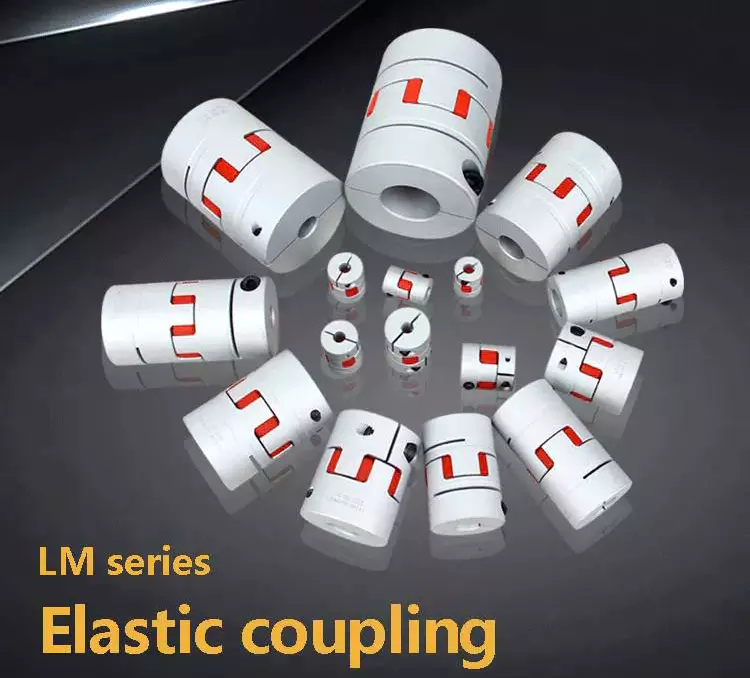
What Is a Coupling?
A coupling is a device that connects two shafts together. It transmits power from one to the other and is used to join rotating equipment. It can also allow for some degree of misalignment and end movement. It is used in mechanical engineering and manufacturing. To learn more about couplings, read this article.
Mechanical connection between two objectsThe present invention relates to a method and assembly for forming a mechanical connection between two objects. The methods of this invention are suitable for connecting both solid and hollow objects. For example, the method can be used to make mechanical connections between two cylinders. This method is particularly useful for connecting two cylinders that are positioned near each other.
Absorbs vibration
A coupling insert is a part of a vehicle’s drivetrain that absorbs vibrations. These inserts are designed to prevent couplings from moving out of phase. However, the coupling inserts themselves can wear out and need to be replaced. Universal joints are an alternative if the coupling is out of phase by more than one degree. In addition, internal bearings in the coupling need to be lubricated and replaced when they begin to show signs of wear.
Another embodiment of the invention includes a flexible coupling 25 that includes rearwardly-extending lugs that extend toward the coupling member 23. These lugs interdigitate with corresponding lugs on the coupling member 23. They are spaced circumferentially. A first elastic member 28 is interposed between lugs 26 and 27, and is adapted to yield in a counterclockwise direction. As a result, it absorbs torsional vibrations.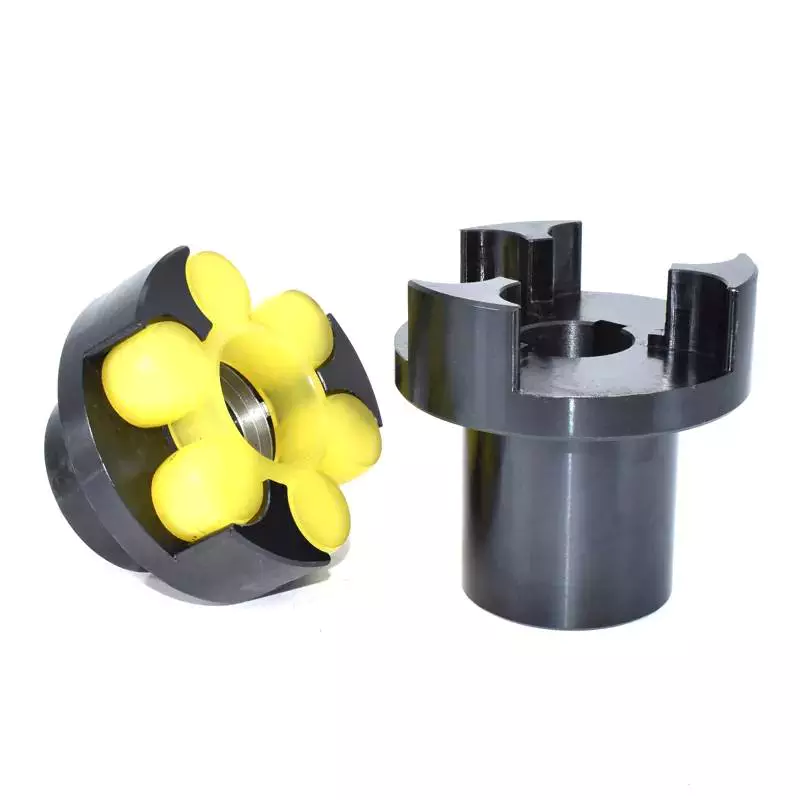
Blocks heat transfer
Thermal coupling occurs when a solid block is thermally coupled to the air or fluid passing through it. The amount of heat transferred through a solid block depends on the heat transfer coefficients of the materials. This paper presents a numerical model to understand how heat transfers through different block materials. This work also describes the thermal resistance network for a one-dimensional block.
In some cases, thermal coupling increases the heat transfer mechanism. As illustrated in FIG. 1D, a heatpipe coupler 112 couples two heatpipes 110-1 and 110-2. This configuration allows the pipes to be coupled to the heat source and to the condenser. In addition, the heat pipe couplers may have bellows at the ends to help facilitate linear motion.
Thermal coupling is achieved by ensuring that at least one block is made of a material with a lower thermal expansion coefficient than the annulus. Ideally, the block’s mean thermal expansion coefficient is at least twenty percent lower than the annulus’s mean thermal expansion coefficient. This ensures that the thermal coupling between the two parts is as efficient as possible.
Another type of thermal coupling is achieved by using flexible elements. These are often washers or springs. These components allow the blocks to maintain physical contact with the post 55, which means that the heat transfer is more efficient even at higher temperatures. The flexibility of these elements also makes it possible to choose an element that will not impede assembly.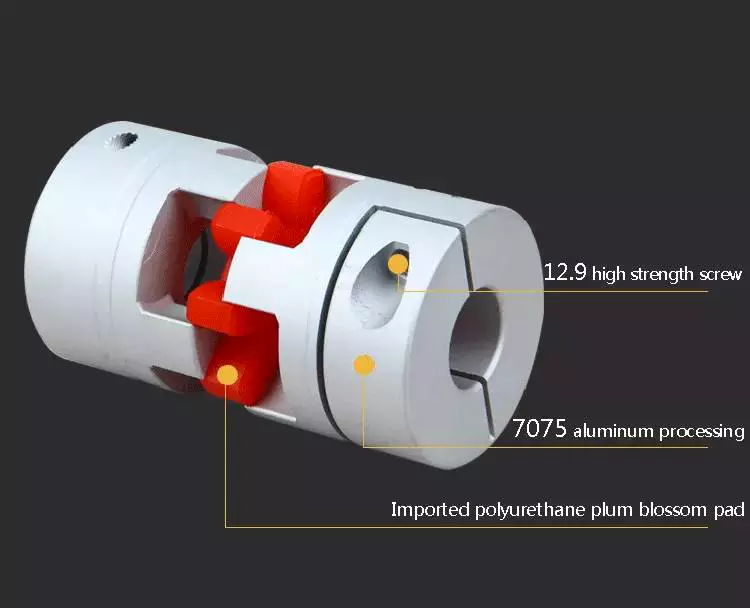
Protects rotating equipment
A reliable, long-lasting coupling system can reduce the risk of damage to rotating equipment. Designed to protect against torque overload and wear, Voith torque-limiting couplings provide outstanding safety and reliability. As a result, they can deliver maximum performance and minimize equipment downtime. In addition to their long-term benefits, these solutions are ideal for applications where safety and reliability are of paramount importance.
A good coupling provides many advantages, including the ability to transmit power, compensate for axial movement, and absorb shock. It is essential to choose the proper coupling for your application based on the basic conditions of your rotating equipment. For example, if you have two shafts with parallel rotation axes, you should choose a parallel coupling. Otherwise, you should use an angular coupling.
Torque-limiting couplings can also provide protection for rotating equipment by disengaging at a specific torque level. This protects the drive shaft from undergoing catastrophic failure. Torque limiters are particularly helpful for high-value equipment. By preventing catastrophic failure, you can avoid expensive repairs and minimize equipment downtime.
Coupling guards are easy to install and provide effective protection for rotating equipment. These covers are made of sheet metal bent to fit over the shaft. They are durable and easy to remove when necessary. This type of guard can prevent employees from catching their hands, tools, or loose clothing on motor coupling components.
editor by CX 2023-07-31
China best 2022 Fashion Astronaut Couple Bracelets Magnet Adjustable Bracelets Best Friends Bracelets BT138 coupling bolt
Model Number: BT138
Jewelry Main Material: Alloy and mainly engaged in: hats, scarves, glasses, children’s products, etc. With independent brands, equipped with professional team,and quality management system, NoChLi serves masses of customers by profession5. what services can we provide?Accepted Delivery Terms: FOB,CIF;Accepted Payment Currency:USD, Module 1.25 Gear rack and pinion for hot sale CNY;Accepted Payment Type: T/T,L/C,MoneyGram,PayPal,Western Union;Language Spoken:English,Chinese,Portuguese,German,Korean
What Is a Coupling?
A coupling is a device that connects two shafts together. It transmits power from one to the other and is used to join rotating equipment. It can also allow for some degree of misalignment and end movement. It is used in mechanical engineering and manufacturing. To learn more about couplings, read this article.
Mechanical connection between two objectsThe present invention relates to a method and assembly for forming a mechanical connection between two objects. The methods of this invention are suitable for connecting both solid and hollow objects. For example, the method can be used to make mechanical connections between two cylinders. This method is particularly useful for connecting two cylinders that are positioned near each other.
Absorbs vibration
A coupling insert is a part of a vehicle’s drivetrain that absorbs vibrations. These inserts are designed to prevent couplings from moving out of phase. However, the coupling inserts themselves can wear out and need to be replaced. Universal joints are an alternative if the coupling is out of phase by more than one degree. In addition, internal bearings in the coupling need to be lubricated and replaced when they begin to show signs of wear.
Another embodiment of the invention includes a flexible coupling 25 that includes rearwardly-extending lugs that extend toward the coupling member 23. These lugs interdigitate with corresponding lugs on the coupling member 23. They are spaced circumferentially. A first elastic member 28 is interposed between lugs 26 and 27, and is adapted to yield in a counterclockwise direction. As a result, it absorbs torsional vibrations.
Blocks heat transfer
Thermal coupling occurs when a solid block is thermally coupled to the air or fluid passing through it. The amount of heat transferred through a solid block depends on the heat transfer coefficients of the materials. This paper presents a numerical model to understand how heat transfers through different block materials. This work also describes the thermal resistance network for a one-dimensional block.
In some cases, thermal coupling increases the heat transfer mechanism. As illustrated in FIG. 1D, a heatpipe coupler 112 couples two heatpipes 110-1 and 110-2. This configuration allows the pipes to be coupled to the heat source and to the condenser. In addition, the heat pipe couplers may have bellows at the ends to help facilitate linear motion.
Thermal coupling is achieved by ensuring that at least one block is made of a material with a lower thermal expansion coefficient than the annulus. Ideally, the block’s mean thermal expansion coefficient is at least twenty percent lower than the annulus’s mean thermal expansion coefficient. This ensures that the thermal coupling between the two parts is as efficient as possible.
Another type of thermal coupling is achieved by using flexible elements. These are often washers or springs. These components allow the blocks to maintain physical contact with the post 55, which means that the heat transfer is more efficient even at higher temperatures. The flexibility of these elements also makes it possible to choose an element that will not impede assembly.
Protects rotating equipment
A reliable, long-lasting coupling system can reduce the risk of damage to rotating equipment. Designed to protect against torque overload and wear, Voith torque-limiting couplings provide outstanding safety and reliability. As a result, they can deliver maximum performance and minimize equipment downtime. In addition to their long-term benefits, these solutions are ideal for applications where safety and reliability are of paramount importance.
A good coupling provides many advantages, including the ability to transmit power, compensate for axial movement, and absorb shock. It is essential to choose the proper coupling for your application based on the basic conditions of your rotating equipment. For example, if you have two shafts with parallel rotation axes, you should choose a parallel coupling. Otherwise, you should use an angular coupling.
Torque-limiting couplings can also provide protection for rotating equipment by disengaging at a specific torque level. This protects the drive shaft from undergoing catastrophic failure. Torque limiters are particularly helpful for high-value equipment. By preventing catastrophic failure, you can avoid expensive repairs and minimize equipment downtime.
Coupling guards are easy to install and provide effective protection for rotating equipment. These covers are made of sheet metal bent to fit over the shaft. They are durable and easy to remove when necessary. This type of guard can prevent employees from catching their hands, tools, or loose clothing on motor coupling components.
editor by CX 2023-07-13
China Professional Flange Coupling for Construction Machinery define coupling
Product Description
Characteristics
Type : flange, flexible, torsionally rigid
Material : steel, nylon, polyamide
Other characteristics : maintenance-free
Torque:
Min.: 130 Nm (95.88 ft.lb)
Max.: 39000 Nm (28764.92 ft.lb)
Rotational speed:
Min.: 1800 rpm (11309.73 rad.min-1)
Max.: 6200 rpm (38955.75 rad.min-1)
Description
BoWex FLE-PA couplings are designed to transmit torque on flywheel driven applications via a curved tooth hub and nylon engine flange. The combination of these components provides a torsionally still connection for low driven inertias. This product is available in materials and elements that are otimized for close coupled applications. The compact 2-piece coupling design enables the hub to be securely fastened to the driven shaft, eliminating the need for lubrication, reducing frettingand corrosion, while allowing for minimal maintenance in an engine drive coupling. The 2-piece design of the BoWex FLE-PA allows the nylon flange to provide high stiffness, low inertia, corrosion resistance, and allows for blind assembly.
A.Hydraulic Breaker Seals, Seal Kits and Hyd. Hammer Parts
B.Hydraulic Seals & Seal Kits & Spare Parts for Excavator Hyd. Cylinder, Hydraulic Pump, Swing Motor, Travel Motor, Main Control Valve MCV, Diesel Engine
| Steel Flanges | ||
| Material | Carbon steel | ASTM A105. ASTM A350 LF1. LF2, CL1/CL2, A234, S235JRG2, P245GH |
| P250GH, P280GHM 16MN, 20MN ,20# | ||
| Stainless steel | ASTM A182, F304/304L, F316/316L | |
| Alloy steel | ASTM A182 A182 F12,F11,F22,F5,F9,F91etc. | |
| Standard | ANSI | Class 150 Flanges-Class 2500 Flanges |
| DIN | 6Bar 10Bar 16Bar 25Bar 40Bar | |
| JIS | 5K Flanges-20K Flanges | |
| UNI | 6Bar 10Bar 16Bar 25Bar 40Bar | |
| EN | 6Bar 10Bar 16Bar 25Bar 40Bar | |
| TYPE | 1.Welding neck Flange 2.Slip on | |
| 3.Blind flange 4.Long welding neck flange | ||
| 5.Lap joint flange 6.Socket welding | ||
| 7.Threaded flange 8.Flat flange | ||
| Surface | Anti-rust oil, clear lacquer, Black lacquer, Yellow lacquer,hot-dipped Galvanized,electrical galvanized | |
| Connection | Welding, Threaded | |
| Technical | Forged, Casting | |
| Size | DN10-DN3600 | |
| Package | 1.>Standard export packaging (Plywood Case Of Outside,Plastic Cloth Of Inside). 2:As Customers’ Requirements | |
| Heat Treatment | Normalizing, Annealing, Quenching Tempering | |
| Certificate | TUV,ISO9001:2008;PED97/23/EC,ISO14001:2004,OHSAS18001:2007 | |
| Applications | Water works, Shipbuilding industry, Petrochemical & Gas industry, Power industry, Valve industry,and general pipes connecting projects etc. | |
Pls Contact us any time you feel free :
Website : ynfmachinery
| Type: | Coupling |
|---|---|
| Application: | Excavator |
| Condition: | New |
| Color: | Black |
| Unit: | Piece |
| Apply to: | Excavator or Bulldozer, Truck, Car |
| Customization: |
Available
| Customized Request |
|---|
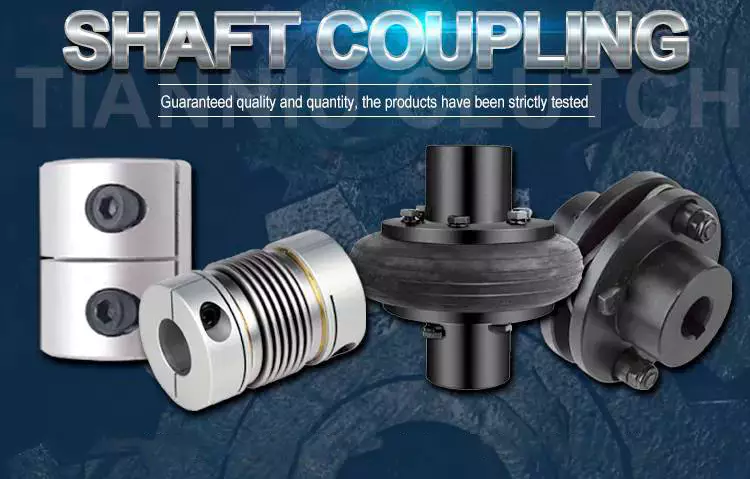
Types of Couplings
A coupling is a device that connects two shafts together. It transmits power from one end to another and is used for joining rotating equipment. A coupling is flexible and can accommodate a certain amount of end movement and misalignment. This allows for more flexibility in applications. Various types of couplings are available, and each one serves a specific purpose.
Shaft couplings
There are many types of shaft couplings, and they are used in a wide range of applications. The type you need depends on the torque, speed, and horsepower you need, as well as the size of the shaft and its spatial limitations. You may also need to consider whether the coupling will accommodate misalignment.
Some shaft couplings are flexible, while others are rigid. Flexible couplings can accommodate up to two degrees of misalignment. They are available in different materials, including aluminum, stainless steel, and titanium. They can also be known by different names, depending on the industry. Some couplings can also be used in a single or multiple-shaft application.
The first type of shaft coupling is a rigid coupling, which consists of two parts that fit together tightly around the shafts. These couplings are designed to have more flexibility than sleeved models, and they can be used on fixed shafts as well. The flanged coupling, on the other hand, is designed for heavy loads and is made of two perpendicular flanges. The flanges are large enough to accommodate screws and are generally used with heavy-duty applications.
CZPT shaft couplings are a great choice if you’re looking for a shaft coupling that delivers high performance, durability, and low cost. These metal disc-style couplings provide low backlash and high torsional stiffness. Their high misalignment tolerance reduces reaction loads on connected components, which makes them ideal for high-speed precision applications. Available in single and double-disc models, they have torque ratings of up to 2,200 in-lbs. (250N) and are available in fourteen sizes.
When using shaft couplings, it is important to choose the right type for your application. Backlash can cause a shaft coupling to break or become unusable. In order to prevent this from happening, you should replace worn or loose parts, and ensure that the hub and key are evenly positioned with the shaft. If you’re using a shaft coupling in a motion-control system, it is important to keep the torque level consistent.
Flexible couplings
Flexible couplings are a type of coupling used to connect two shafts. They are made of rubber or plastic and allow for axial movement of the connected equipment. They do not require lubrication and are resistant to fatigue failure. Flexible couplings are useful for a number of applications. A common type of flexible coupling is the gear coupling, which has gear teeth inside its sleeve. Another type of flexible coupling is the metallic membrane coupling. A metallic membrane coupling is flexible due to flexing metallic discs.
One major disadvantage of flexible couplings is their inability to fit certain types of pipe. This is because most couplings need to be stretched to fit the pipe. This problem is often the result of a change in pipe technology. Traditionally, drain and soil pipe is made of ductile iron or cast iron. Today, most pipes are made of PVC, which has a larger outside diameter than either cast or ductile iron. Because of these changes in pipe technology, many coupling manufacturers have not updated their mold sizing.
Flexible couplings can be either metallic, elastomeric, or a combination of the three. While there are some common characteristics of each type, you should always consider the tradeoffs of each type before choosing one. Generally, the most important considerations when selecting a flexible coupling are torque, misalignment, and ease of assembly and maintenance.
Flexible couplings are used in a wide range of industries. They are useful for connecting two pipes to ensure torque transfer. Although the types available are different, these are the most adaptable couplings in the market. They can withstand movement, vibration, and bending without causing any damage to the piping.
Clutch couplings
A clutch coupling connects two rotating shafts by friction. The clutch engages power when the engine is running, disengaging power when the brake is applied. Clutch couplings are used in applications where the speed of a machine is variable or where continuous service is required. The clutch can transmit power, torque, and axial force.
Clutch couplings come in a variety of styles and configurations. Some couplings are flexible, while others are rigid. Flexible couplings are available in a variety of materials, including stainless steel and aluminum. Some couplings also have a non-backlash design, which helps compensate for misalignment.
Clutch couplings may be synchronous or asynchronous. Synchronous couplings engage and disengage automatically when the driven machine exceeds its output speed. These couplings are synchronized by a synchronizing mechanism. When the output speed is exceeded, the synchronizing mechanism initiates the engagement process. The synchronizing mechanism does not engage or disengage when the output speed drops.
High speed clutches are available from a variety of manufacturers. Some manufacturers offer OEM assembly, repair services, and third-party logistics. These manufacturers serve the automotive, chemical, food, and wood industries, as well as the oilfield and material handling industries. Custom clutches can be manufactured for specific applications and can be fitted with additional features, such as precision machined teeth or keyway slots and grooves.
Couplings are available in PCE, C/T, and metric bores. Typically, the size of the input and output shafts will determine which type of coupling is needed. In addition, clutches may be configured for intermediate or high speeds, depending on the required torque.
Clamped couplings
Clamped couplings are commonly used in a variety of industries. They can be used in medical equipment, dental equipment, military equipment, laboratory equipment, and in precision industrial controls. They are available in a wide variety of sizes and keyways. This type of coupling offers a number of advantages, including ease of installation and quick and easy replacement.
A clamp coupling connects two parts by compressing them together. The clamping elements can be formed in a variety of ways, but they all have a gap between their surfaces. This friction squeezes the two parts together, much like pulling two rubber gloves apart. This type of coupling is also useful for joining two hoses or piping units.
Clamped couplings are designed with a single or double clamping shaft. The clamping parts are mounted in two halves and are held together by eight socket head cap screws. They offer high torque capacity and require little installation space. Their high rigidity ensures good positioning accuracy, making them ideal for dynamic drives. In addition, they are wear-free and offer simple radial assembly.
The invention relates to a method and system for clamping pipes to a tank vessel. This invention also relates to a method of loading and unloading tank vessels. The method can be used in oil production platforms and other platforms. A single point mooring method is also used in oil production platforms.
Clamped couplings can also be flexible. They can join two shafts together while allowing a small amount of end movement and misalignment. These couplings may also be used in the assembly of motors and gearboxes.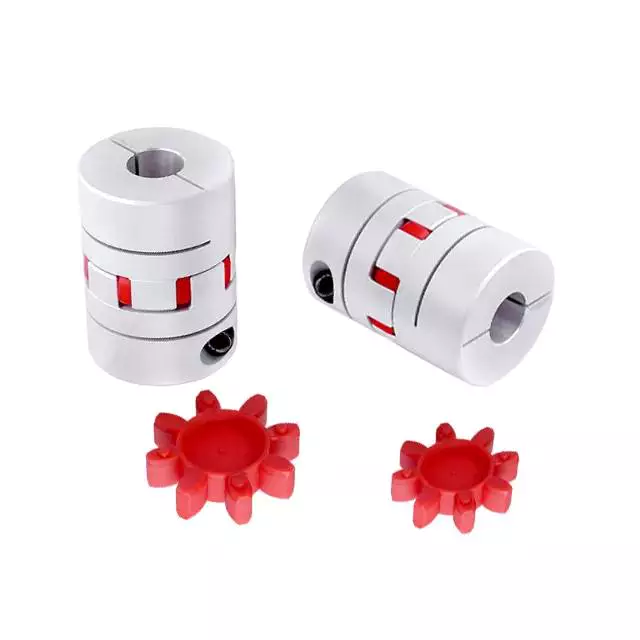
CZPT’s coupling
CZPT couplings are designed to be flexible, allowing them to accommodate misaligned shafts and transmit torque in either direction. They are made with three discs, two hubs, and a center that are arranged with grooves and fins. These features allow for two degrees of freedom during assembly, and can accommodate misalignment of up to 5% of the shaft diameter.
CZPT couplings have many uses. For example, they can be used to join two parallel coaxial rotating shafts. Their ability to transmit torque at the same rotation mechanism and speed makes them ideal for applications where electrical currents may be a problem. Because the couplings are not made of metal, they are electrically isolated. Designers should test their couplings during the prototype stage to ensure they are working properly.
The CZPT coupling consists of two hubs with one slot on each. An intermediate disk is located between the two hubs. The discs are used to reduce or prevent wear on other machine parts. CZPT couplings are inexpensive and easy to replace. They also have electrical insulation, which makes them easy to repair or replace.
CZPT couplings are a popular choice for stepper motor-driven positioning stages. The plastic center disc offers electrical isolation and absorbs shocks from frequent start/stops. These couplings are available in through-hub and blind-bore styles and can be installed in many applications.
CZPT couplings also allow for small degrees of shaft misalignment. This allows them to function in systems where shaft access is limited. They are easily removed without tools.
editor by CX 2023-07-13
China Hot selling Coup-Link Flexible Disc Coupling Shaft Coupling For Australia with high quality
Applicable Industries: Machinery Repair Shops
Customized support: OEM, ODM
Structure: Disc
Flexible or Rigid: Flexible
Standard or Nonstandard: Standard
Material: Aluminium
Surface Treatment: Anodizing
Packaging Details: safety and standard package,according to customers’ requirement
Port: HangZhou
Coup-Link CZPT torque limiter flexible disc coupling
| Brand | Coup-link |
| Custom | Support |
Types of Coupling
A coupling is a device used to join two shafts together and transmit power. Its primary function is to join rotating equipment and allows for some end movement and misalignment. This article discusses different types of coupling, including Magnetic coupling and Shaft coupling. This article also includes information on Overload safety mechanical coupling.
Flexible beam coupling
Flexible beam couplings are universal joints that can deal with shafts that are offset or at an angle. They consist of a tube with couplings at both ends and a thin, flexible helix in the middle. This makes them suitable for use in a variety of applications, from motion control in robotics to attaching encoders to shafts.
These couplings are made of one-piece materials and are often made of stainless steel or aluminium alloy. However, they can also be made of acetal or titanium. While titanium and acetal are less common materials, they are still suitable for high-torque applications. For more information about beam couplings, contact CZPT Components.
Flexible beam couplings come in a variety of types and sizes. W series couplings are good for general purpose applications and are relatively economical. Stainless steel versions have increased torque capacity and torsional stiffness. Flexible beam couplings made of aluminum are ideal for servo and reverse motion. They are also available with metric dimensions.
Flexible beam couplings are made of aluminum alloy or stainless steel. Their patented slot pattern provides low bearing load and high torsional rigidity. They have a long operational life. They also require zero maintenance and can handle angular offset. Their advantages outweigh the disadvantages of traditional beam couplings.
Magnetic coupling
Magnetic coupling transfers torque from one shaft to another using a magnetic field. These couplings can be used on various types of machinery. These types of transmissions are very useful in many situations, especially when you need to move large amounts of weight. The magnetic field is also very effective at reducing friction between the two shafts, which can be extremely helpful if you’re moving heavy items or machinery.
Different magnetic couplings can transmit forces either linearly or rotated. Different magnetic couplings have different topologies and can be made to transmit force in various geometric configurations. Some of these types of couplings are based on different types of materials. For example, a ceramic magnetic material can be used for applications requiring high temperature resistance.
Hybrid couplings are also available. They have a hybrid design, which allows them to operate in either an asynchronous or synchronous mode. Hysterloy is an alloy that is easily magnetized and is used in synchronous couplings. A synchronous magnetic coupling produces a coupled magnetic circuit.
Magnetic coupling is a key factor in many physical processes. In a crystal, molecules exhibit different magnetic properties, depending on their atomic configuration. Consequently, different configurations produce different amounts of magnetic coupling. The type of magnetic coupling a molecule exhibits depends on the exchange parameter Kij. This exchange parameter is calculated by using quantum chemical methods.
Magnetic couplings are most commonly used in fluid transfer pump applications, where the drive shaft is hermetically separated from the fluid. Magnetic couplings also help prevent the transmission of vibration and axial or radial loads through the drive shaft. Moreover, they don’t require external power sources, since they use permanent magnets.
Shaft coupling
A shaft coupling is a mechanical device that connects two shafts. The coupling is designed to transmit full power from one shaft to the other, while keeping the shafts in perfect alignment. It should also reduce transmission of shock loads. Ideally, the coupling should be easy to connect and maintain alignment. It should also be free of projecting parts.
The shaft couplings that are used in machines are typically made of two types: universal coupling and CZPT coupling. CZPT couplings are designed to correct for lateral misalignment and are composed of two flanges with tongues and slots. They are usually fitted with pins. The T1 tongue is fitted into flange A, while the T2 tongue fits into flange B.
Another type of shaft coupling is known as a “sliced” coupling. This type of coupling compensates for inevitable shaft misalignments and provides high torque. Machined slits in the coupling’s outer shell help it achieve high torsional stiffness and excellent flexibility. The design allows for varying engagement angles, making it ideal for many different applications.
A shaft coupling is an important component of any machine. Proper alignment of the two shafts is vital to avoid machine breakdowns. If the shafts are misaligned, extra force can be placed on other parts of the machine, causing vibration, noise, and damage to the components. A good coupling should be easy to connect and should ensure precise alignment of the shaft. Ideally, it should also have no projecting parts.
Shaft couplings are designed to tolerate a certain amount of backlash, but it must be within a system’s threshold. Any angular movement of the shaft beyond this angle is considered excessive backlash. Excessive backlash results in excessive wear, stress, and breakage, and may also cause inaccurate alignment readings. It is therefore imperative to reduce backlash before the shaft alignment process.
Overload safety mechanical coupling
Overload safety mechanical couplings are devices that automatically disengage when the torque applied to them exceeds a specified limit. They are an efficient way to protect machinery and reduce the downtime associated with repairing damaged machinery. The advantage of overload couplings is their fast reaction time and ease of installation.
Overload safety mechanical couplings can be used in a wide range of applications. Their automatic coupling mechanisms can be used on any face or edge. In addition, they can be genderless, incorporating both male and female coupling features into a single mechanism. This means that they are both safe and gender-neutral.
Overload safety couplings protect rotating power transmission components from overloads. Overload protection devices are installed on electric motors to cut off power if the current exceeds a certain limit. Likewise, fluid couplings in conveyors are equipped with melting plug elements that allow the fluid to escape when the system becomes too hot. Mechanical force transmission devices, such as shear bolts, are designed with overload protection in mind.
A common design of an overload safety mechanical coupling consists of two or more arms and hubs separated by a plastic spider. Each coupling body has a set torque threshold. Exceeding this threshold may damage the spider or damage the jaws. In addition, the spider tends to dampen vibration and absorb axial extension. This coupling style is nearly backlash free, electrically isolating, and can tolerate very little parallel misalignment.
A mechanical coupling may also be a universal joint or jaw-clutch coupling. Its basic function is to connect the driver and driven shafts, and limits torque transfer. These devices are typically used in heavy-duty industries, such as steel plants and rolling mills. They also work well with industrial conveyor systems.
CZPT Pulley
The CZPT Pulley coupling family offers a comprehensive range of couplings for motors of all types. Not only does this range include standard motor couplings, but also servo couplings, which require ultra-precise control. CZPT Pulley couplings are also suitable for engine applications where high shocks and vibrations are encountered.
CZPT Pulley couplings have a “sliced” body structure, which allows for excellent torsional stiffness and strength. They are corrosion-resistant and can withstand high rotational speeds. The couplings’ design also ensures accurate shaft rotation while limiting shaft misalignment.
CZPT Pulley has introduced the CPU Pin Type couplings, which are effective at damping vibration and maintain zero backlash. They are also made from aluminum and are capable of absorbing heat. They come with recessed tightening screws. They can handle speeds up to 4,000 RPM, and are RoHS-compliant.
editor by CX 2023-07-12
China manufacturer Chain Coupling, type 3012, 4012,4014,4016,5014,5016,5018 ,6018,6020,6022,8018,8020,8022, 10018,10022,12018,12022 brass coupling
Warranty: 3 years
Applicable Industries: Hotels, Manufacturing Plant, Machinery Repair Shops, Food & Beverage Factory, Farms, Retail
Customized support: OEM, ODM, OBM
Structure: Roller Chain
Flexible or Rigid: Flexible
Standard or Nonstandard: Standard
Material: Steel
other: Roller Chain Coupling
Packaging Details: Standard Export Packing and Wood Pallets Packing
Port: ZheJiang ,HangZhou
Chain Coupling, type 3012, 4012,4014,4016,5014,5016,5018 ,6018,6571,6571,8018,8571,8571, 10018,10571, Center support bearing 49100 3E450 Cardan Supports Drive shaft center support 12018,12571
We are the leading top Chinese coupling manufacturer, and are specializing in various high quality chain coupling. The chain coupling is composed a duplex roller chain and 2 sprockets. The function of connection and detachment is done by the joint of chain. It has the characteristics of simplicity, high efficiency, easy-on and easy-off and nice out-looking. It also has aluminum cover to prevent dust and protect the lubricant in order to extend the life of chain coupling.
| Features: |
2. OEM and ODM are available
3. High efficient in transmission
4. Finishing: Painted.
5. High quality with competitive price
6. Different models suitable for your different demands
7. Stock for different bore size on both sides available.
8. Application in wide range of environment.
9. Quick and easy mounting and disassembly.
10. Resistant to oil and electrical insulation.
11. Identical clockwise and anticlockwise rotational characteristics.
12. Small dimension, low weight, high transmitted torque.
13. It has good performance on compensating the misalignment.
14.Coupling Type :3012, 4012,4014,4016,5014,5016,5018 ,6018,6571,6571,8018,8571,8571, 10018,10571, Customize High efficiency synchronous pulley S2M S3M S4.5M S5M S8M S14M Timing Pulley 12018,12571
Applications:
Chain couplings are offered in the industry’s largest variety of stock bore/keyway combinations. These couplings require no lubrication and provide highly reliable service for light, medium, and heavy duty electrical motor and internal combustion power transmission applications. Applications include power transmission to industrial equipment such as pumps, gear boxes, compressors, blowers, mixers, and conveyors.
Specification:
| Material | C45 steel, Alloy steel, Aluminum, Rubber and plastic etc |
| process | Machined, Forged |
| Heat treatment | High frequency quenching heat treatment, hardened teeth |
| Surface treatment | color painting, or customer requirement |
| Performance | High precision, high wear resistance, low noise, smooth and steady, high strength |
| Model number | 3012, 4012,4014,4016,5014, 25 Gears 0.5 Mod Bo Motor 48 P Modul 3 Gear Stock Injection Moulded Nylon Plastic Large Diameter Spur 5016,5018 ,6018,6571,6571,8018,8571,8571, 10018,10571,12018,12571 |
| Payment,minimum order and delivery | T/T ,LC, Delivery time is Negotiation |
| Packaging | Carton box or customer requirement. |
Competitive Advantage:
More than 20 years advanced technology and experience of us will give strong support for the chain coupling you need. We will understand your need of product quickly, and give quick respond and good service. A lot of cases of our products will show you that it worth your trust.
Under the full quality control system, our products go through the precise product line and strict testing process. We have excellent working flow and standard to ensure stability, products reliable enough for using.
Take our scale economy, raw material superiority, and CZPT for clients to account, our price do have a great competitiveness. They are good value and cost effective than your imagine.
We sincerely hope establishing long and friendly business relations with clients from all over the world. Our goal is not just providing product, but also providing a complete solution including product design, tooling, fabrication and service for our customers to achieve their upmost satisfaction.
Exhibition
What Is a Coupling?
A coupling is a device that connects two shafts together. It transmits power from one to the other and is used to join rotating equipment. It can also allow for some degree of misalignment and end movement. It is used in mechanical engineering and manufacturing. To learn more about couplings, read this article.
Mechanical connection between two objectsThe present invention relates to a method and assembly for forming a mechanical connection between two objects. The methods of this invention are suitable for connecting both solid and hollow objects. For example, the method can be used to make mechanical connections between two cylinders. This method is particularly useful for connecting two cylinders that are positioned near each other.
Absorbs vibration
A coupling insert is a part of a vehicle’s drivetrain that absorbs vibrations. These inserts are designed to prevent couplings from moving out of phase. However, the coupling inserts themselves can wear out and need to be replaced. Universal joints are an alternative if the coupling is out of phase by more than one degree. In addition, internal bearings in the coupling need to be lubricated and replaced when they begin to show signs of wear.
Another embodiment of the invention includes a flexible coupling 25 that includes rearwardly-extending lugs that extend toward the coupling member 23. These lugs interdigitate with corresponding lugs on the coupling member 23. They are spaced circumferentially. A first elastic member 28 is interposed between lugs 26 and 27, and is adapted to yield in a counterclockwise direction. As a result, it absorbs torsional vibrations.
Blocks heat transfer
Thermal coupling occurs when a solid block is thermally coupled to the air or fluid passing through it. The amount of heat transferred through a solid block depends on the heat transfer coefficients of the materials. This paper presents a numerical model to understand how heat transfers through different block materials. This work also describes the thermal resistance network for a one-dimensional block.
In some cases, thermal coupling increases the heat transfer mechanism. As illustrated in FIG. 1D, a heatpipe coupler 112 couples two heatpipes 110-1 and 110-2. This configuration allows the pipes to be coupled to the heat source and to the condenser. In addition, the heat pipe couplers may have bellows at the ends to help facilitate linear motion.
Thermal coupling is achieved by ensuring that at least one block is made of a material with a lower thermal expansion coefficient than the annulus. Ideally, the block’s mean thermal expansion coefficient is at least twenty percent lower than the annulus’s mean thermal expansion coefficient. This ensures that the thermal coupling between the two parts is as efficient as possible.
Another type of thermal coupling is achieved by using flexible elements. These are often washers or springs. These components allow the blocks to maintain physical contact with the post 55, which means that the heat transfer is more efficient even at higher temperatures. The flexibility of these elements also makes it possible to choose an element that will not impede assembly.
Protects rotating equipment
A reliable, long-lasting coupling system can reduce the risk of damage to rotating equipment. Designed to protect against torque overload and wear, Voith torque-limiting couplings provide outstanding safety and reliability. As a result, they can deliver maximum performance and minimize equipment downtime. In addition to their long-term benefits, these solutions are ideal for applications where safety and reliability are of paramount importance.
A good coupling provides many advantages, including the ability to transmit power, compensate for axial movement, and absorb shock. It is essential to choose the proper coupling for your application based on the basic conditions of your rotating equipment. For example, if you have two shafts with parallel rotation axes, you should choose a parallel coupling. Otherwise, you should use an angular coupling.
Torque-limiting couplings can also provide protection for rotating equipment by disengaging at a specific torque level. This protects the drive shaft from undergoing catastrophic failure. Torque limiters are particularly helpful for high-value equipment. By preventing catastrophic failure, you can avoid expensive repairs and minimize equipment downtime.
Coupling guards are easy to install and provide effective protection for rotating equipment. These covers are made of sheet metal bent to fit over the shaft. They are durable and easy to remove when necessary. This type of guard can prevent employees from catching their hands, tools, or loose clothing on motor coupling components.
editor by CX 2023-07-11
China Standard UPVC Pn16 DIN8063 Dvgw Pressure Pipe Fittings Reducing Coupling coupling alignment
Product Description
System: PVC pipe system
Scope: PVC pipework is used for the conveyance of drinking water, waste water, chemicals, heating fluid and cooling fluids, foodstuffs, ultra-pure liquids, slurries, gases, compressed air and vacuum system applications.
Referenced Standards: PN16
Specification:
Main Products
Product Certificate
FAQ
1.What is your MOQ?
Our MOQ is usually 5 CTNS.
2.What is your delievery time?
The time of delievery is around 30-45days.
3.What is the shipping port?
We ship the goods via HangZhou or ZheJiang port.
4.What is your payment terms?
We accept 30% T/T in advance,70% in the period of shipment or 1,
ZHangZhoug, China
| After-sales Service: | 50 Years |
|---|---|
| Warranty: | 50 Years |
| Type: | Reducing |
| Connection: | Socket |
| Material: | PVC |
| Shape: | Reducing Tee |
| Samples: |
US$ 1/Piece
1 Piece(Min.Order) | |
|---|
| Customization: |
Available
| Customized Request |
|---|
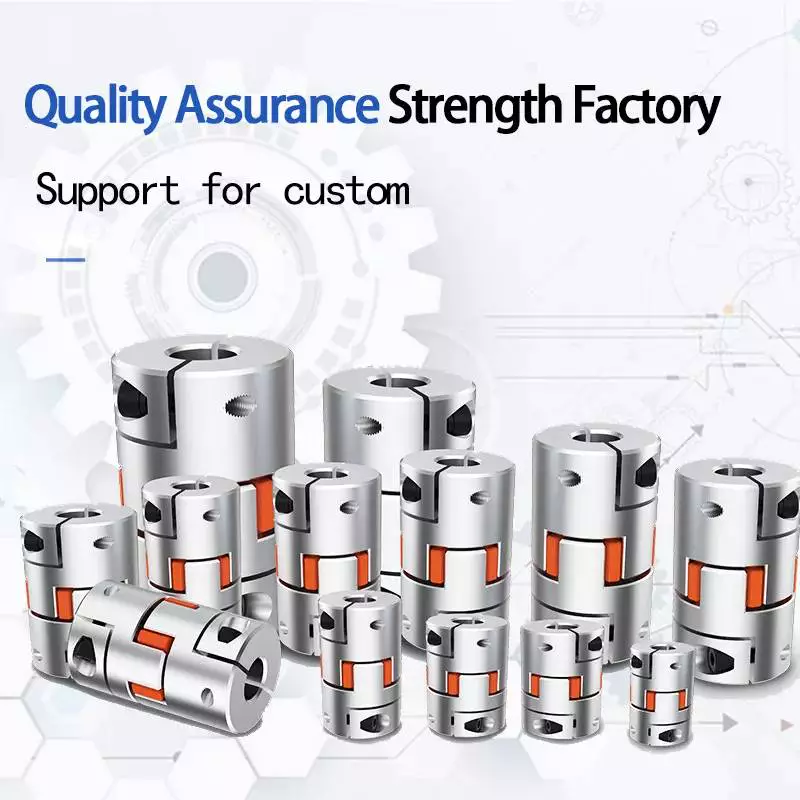
What Is a Coupling?
A coupling is a mechanical device that links two shafts together and transmits power. Its purpose is to join rotating equipment while permitting a small amount of misalignment or end movement. Couplings come in a variety of different types and are used in a variety of applications. They can be used in hydraulics, pneumatics, and many other industries.
Types
Coupling is a term used to describe a relationship between different modules. When a module depends on another, it can have different types of coupling. Common coupling occurs when modules share certain overall constraints. When this type of coupling occurs, any changes to the common constraint will also affect the other modules. Common coupling has its advantages and disadvantages. It is difficult to maintain and provides less control over the modules than other types of coupling.
There are many types of coupling, including meshing tooth couplings, pin and bush couplings, and spline couplings. It is important to choose the right coupling type for your specific application to get maximum uptime and long-term reliability. Listed below are the differences between these coupling types.
Rigid couplings have no flexibility, and require good alignment of the shafts and support bearings. They are often used in applications where high torque is required, such as in push-pull machines. These couplings are also useful in applications where the shafts are firmly attached to one another.
Another type of coupling is the split muff coupling. This type is made of cast iron and has two threaded holes. The coupling halves are attached with bolts or studs.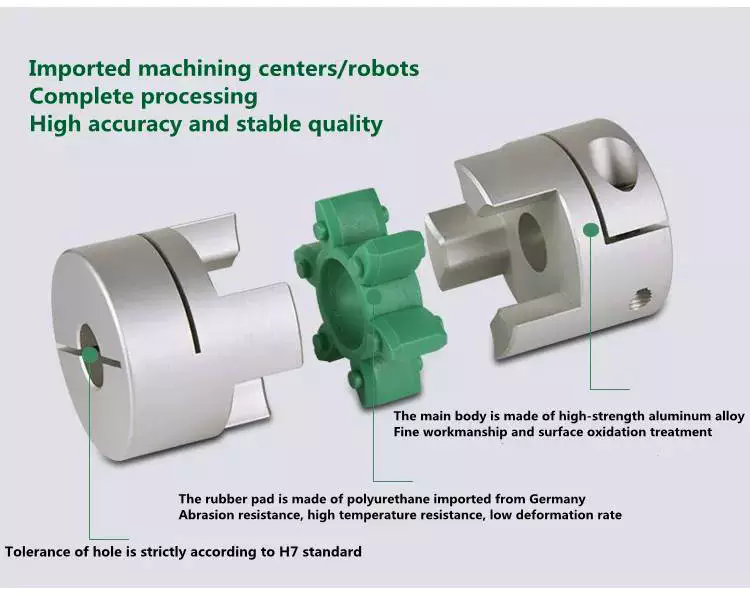
Applications
The coupling function is an incredibly versatile mathematical tool that can be used in many different scientific domains. These applications range from physics and mathematics to biology, chemistry, cardio-respiratory physiology, climate science, and electrical engineering. The coupling function can also help to predict the transition from one state to another, as well as describing the functional contributions of subsystems in the system. In some cases, it can even be used to reveal the mechanisms that underlie the functionality of interactions.
The coupling selection process begins with considering the intended use of the coupling. The application parameters must be determined, as well as the operating conditions. For example, if the coupling is required to be used for power transmission, the design engineer should consider how easily the coupling can be installed and serviced. This step is vital because improper installation can result in a more severe misalignment than is specified. Additionally, the coupling must be inspected regularly to ensure that the design parameters remain consistent and that no detrimental factors develop.
Choosing the right coupling for your application is an important process, but it need not be difficult. To find the right coupling, you must consider the type of machine and environment, as well as the torque, rpm, and inertia of the system. By answering these questions, you will be able to select the best coupling for your specific application.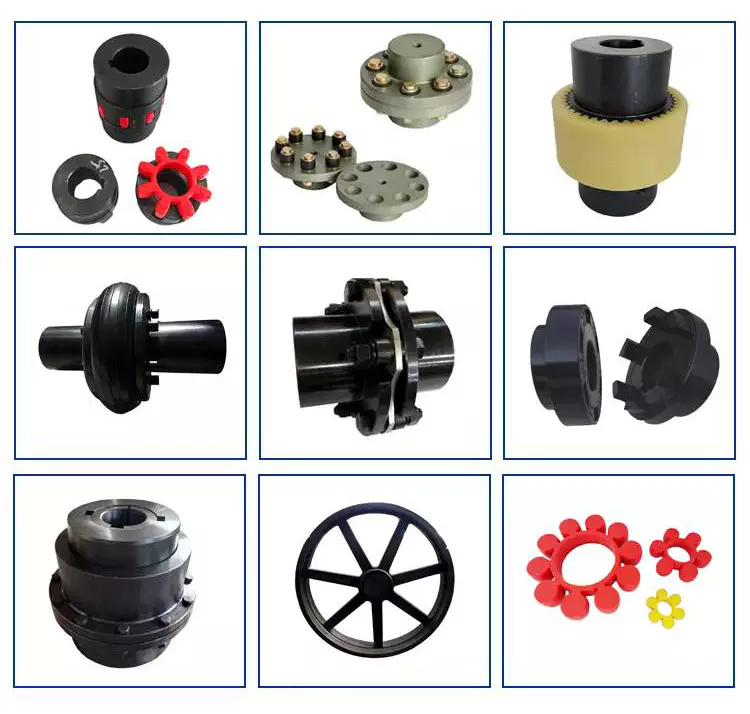
Problems
A coupling is a device that connects two rotating shafts to transfer torque and rotary motion. To achieve optimal performance, a coupling must be designed for the application requirements it serves. These requirements include service, environmental, and use parameters. Otherwise, it can prematurely fail, causing inconvenience and financial loss.
In order to prevent premature failure, couplings should be properly installed and maintained. A good practice is to refer to the specifications provided by the manufacturer. Moreover, it is important to perform periodic tests to evaluate the effectiveness of the coupling. The testing of couplings should be performed by qualified personnel.
editor by CX 2023-07-11