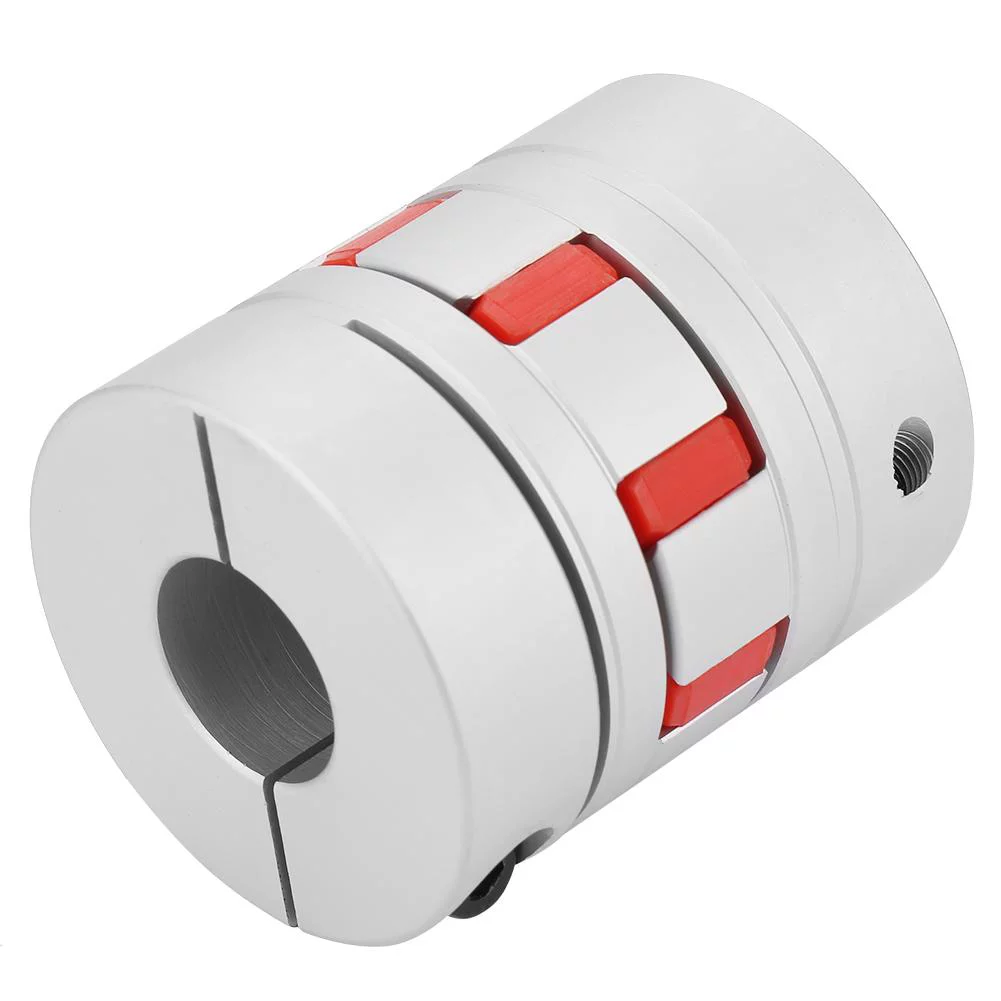
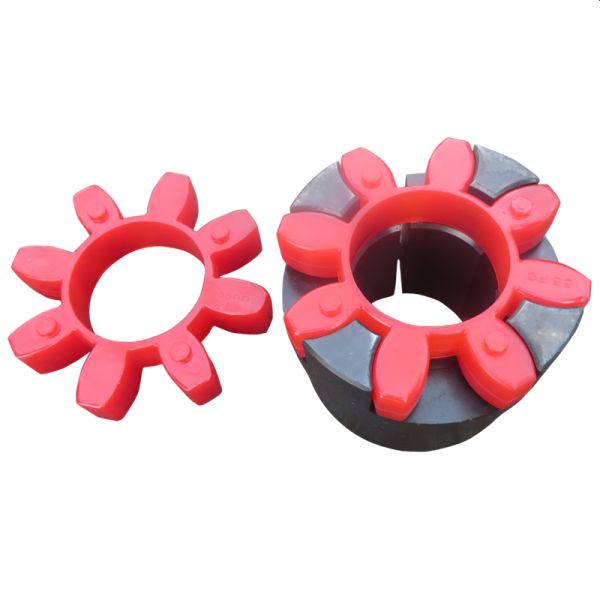
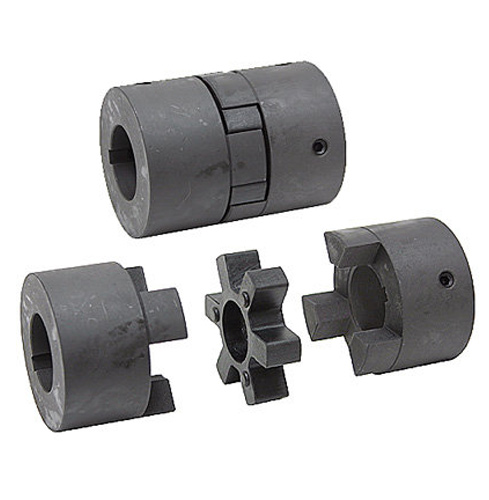
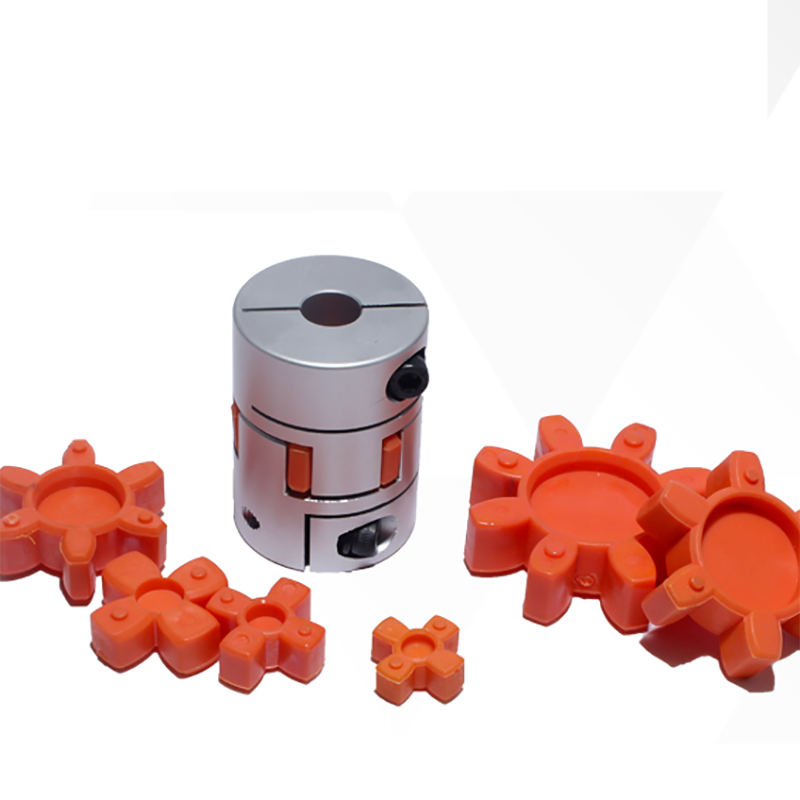
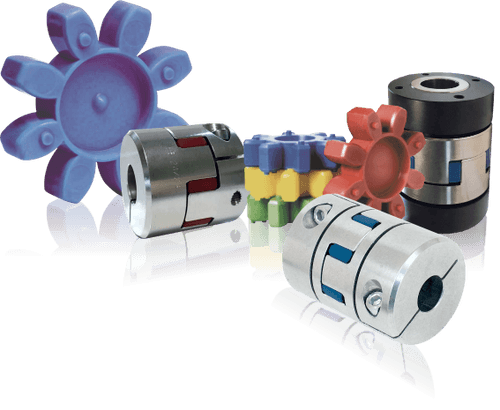
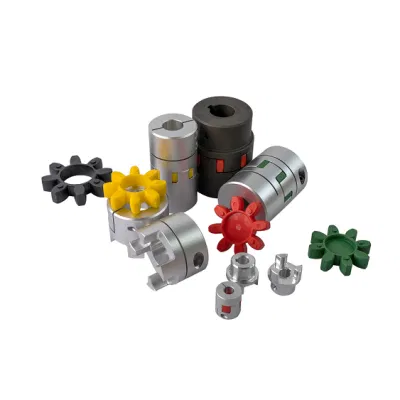
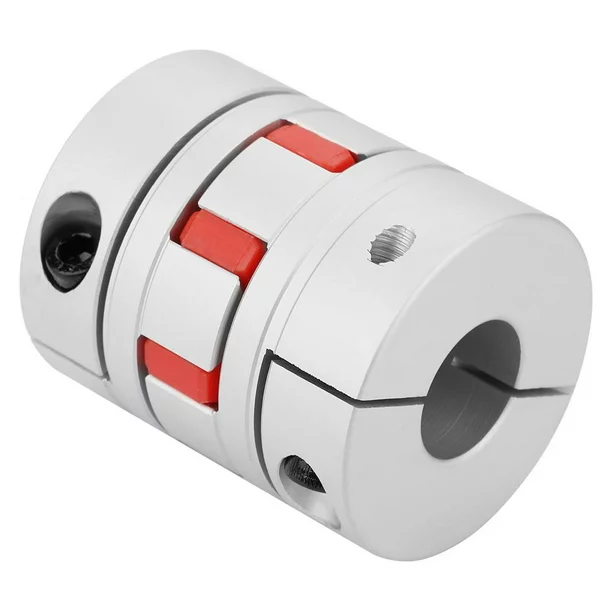
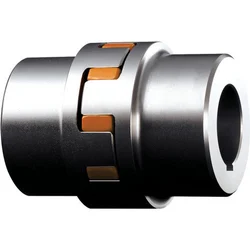
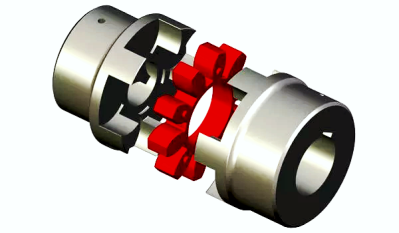
The Curved Jaw couplings can be utilized in many applications and serve as an all-purpose coupling. The basic design of the Curved Jaw allows for a higher torque capacity in a compact design. The curved tooth has a greater contact area which gives it the high torque capacity, and reduces edge pressure. It will accommodate axial, radial and angular shaft misalignments. The hubs are produced from a variety of materials including; aluminum, gray iron, steel, sintered steel, and stainless steel. The spider elements are available in various durometer options in Urethane & Hytrel. The spiders can perform under normal duty cycle conditions to heavy duty cycles which include shock loading and can minimize torsional vibrations in the system. Features of Curved Jaw Coupling/Rotex Coupling: 1.High efficiency zero backlash Curved Jaw Coupling/Rotex Coupling. 2.Rigid and flexible at the same time, different kinds of spiders of different hardness. 3.Light weight and compact design. 4.Can bear high speed and torque power transmission.
What are the common challenges associated with spider coupling misalignment and how can they be addressed?
Misalignment is a common challenge in spider couplings that can lead to reduced efficiency, increased wear, and potential coupling failure. Here are the common challenges associated with misalignment and how they can be addressed:
Reduced Torque Transmission: Misalignment can decrease the effective torque transmitted between the shafts, leading to inefficiency and potential overload. Regularly check and align the shafts according to the manufacturer’s recommendations to ensure proper torque transmission.
Vibration and Noise: Misalignment can cause excessive vibrations and noise in the machinery. Implement precision alignment techniques during installation to minimize misalignment-induced vibrations and noise.
Increased Wear: Misalignment results in uneven loading on the elastomeric spider, causing premature wear and potential failure. Regularly inspect the coupling for signs of wear and replace the elastomeric spider if necessary. Address misalignment promptly to prevent excessive wear.
Heat Generation: Misalignment can generate heat due to friction between the elastomeric spider and the hubs. This can lead to accelerated wear and reduced coupling lifespan. Proper alignment helps minimize heat generation and associated issues.
Shaft Fatigue: Severe misalignment can induce shaft fatigue and stress concentrations, leading to shaft failure over time. Avoid excessive misalignment and ensure that the coupling is properly aligned during installation.
Reduced Service Life: Misalignment puts additional stress on the elastomeric spider, reducing its service life. Proper alignment and maintenance practices can extend the service life of the coupling.
Performance Variations: Misalignment can lead to variations in performance and inconsistent operation of the machinery. Regularly monitor the coupling’s performance and address any issues promptly to ensure consistent operation.
To address these challenges, it’s crucial to prioritize precision alignment during the installation of the spider coupling. Follow the manufacturer’s guidelines for alignment tolerances and use alignment tools and techniques to achieve accurate alignment. Regular maintenance, including inspections and alignment checks, will help mitigate the negative effects of misalignment and ensure the reliable performance of spider couplings in industrial applications.
Are there any recent advancements or innovations in spider coupling technology?
Yes, there have been several recent advancements and innovations in spider coupling technology aimed at enhancing their performance, durability, and versatility. Some of the notable advancements include:
Advanced Materials: Manufacturers are using new elastomeric materials that offer improved resistance to wear, temperature fluctuations, and chemicals. These materials extend the lifespan of spider couplings and broaden their range of applications.
Enhanced Designs: Innovative design improvements are being made to optimize torque transmission, misalignment compensation, and vibration dampening. These designs aim to provide better coupling performance in various operating conditions.
Customization: Some manufacturers offer customizable spider couplings to match specific application requirements. This includes tailoring the coupling’s stiffness, torque capacity, and damping characteristics to suit different machinery and industries.
Smart Couplings: Integration of sensors and monitoring technology into spider couplings allows real-time data collection on factors such as temperature, vibration, and load distribution. This data helps in predictive maintenance and optimizing equipment performance.
Composite Couplings: Composite materials are being utilized in spider couplings to provide a balance between lightweight design, high strength, and corrosion resistance. These couplings find applications in industries where weight reduction and durability are critical.
Energy Efficiency: Some spider couplings are designed with energy efficiency in mind, aiming to reduce power losses due to damping while maintaining reliable torque transmission.
These advancements demonstrate the ongoing efforts to enhance spider coupling technology, making them more adaptable to modern machinery requirements. As technology continues to evolve, spider couplings are becoming increasingly sophisticated and capable of meeting the challenges posed by various industries and applications.
What factors should be considered when selecting a spider coupling for a specific application?
Choosing the right spider coupling for a specific application requires careful consideration of various factors to ensure optimal performance and reliability. Here are the key factors to consider:
Torque Requirements: Determine the torque that the coupling needs to transmit between the shafts. Select a spider coupling that can handle the required torque without exceeding its limitations.
Misalignment Compensation: Assess the type and degree of misalignment that the coupling needs to accommodate. Different spider coupling designs offer varying levels of misalignment compensation.
Operating Conditions: Consider the operating environment, including temperature, humidity, and exposure to chemicals or contaminants. Choose a spider coupling with elastomeric material that can withstand these conditions.
Shaft Diameters: Measure the diameters of the connected shafts. Ensure that the selected spider coupling matches the shaft sizes to achieve a secure and reliable fit.
Space Limitations: Evaluate the available space for installing the coupling. Choose a compact spider coupling design that fits within the available dimensions.
Shaft Speed: Determine the rotational speed of the shafts. Ensure that the selected spider coupling can handle the speed range without causing excessive wear or vibrations.
Vibration Dampening: If vibration reduction is a priority, select a spider coupling with elastomeric material that offers effective vibration dampening properties.
Electrical Isolation: In applications where electrical isolation is necessary, choose a spider coupling with electrically insulating properties to prevent current transmission between shafts.
Chemical Compatibility: If the machinery operates with specific chemicals or fluids, ensure that the elastomeric material of the coupling is compatible with these substances.
Cost Consideration: Evaluate the budget available for the coupling. Consider both the upfront cost and the potential savings from reduced maintenance and downtime.
Manufacturer Reputation: Choose spider couplings from reputable manufacturers known for producing high-quality and reliable products.
Application Type: Different industries and applications have unique requirements. Consider the specific demands of the application, such as pumps, compressors, conveyors, etc.
By carefully evaluating these factors, you can select a spider coupling that best matches the requirements of your application, ensuring efficient power transmission, misalignment compensation, and overall system performance.
Couplings are used for textile, agricultural machinery, lifting transporation, engineering, mining, light industry, chemical industry and other mechanical transmission shaft, suitable for high temperature, wet and dusty conditions, but not suitable for high-speed, sevious impact loading and axial force transmission occasions.
1. Can I get any sample ? Samples are free to be available, if there is any in stock. But you have to absorb the relative courier fee.
2. How long is the delivery time for the production? Production lead time is 30-60 days for the production.
3. What’s your advantage? Competitive price, good quality, high-experience engineers abailable
What are the common challenges associated with spider coupling misalignment and how can they be addressed?
Misalignment is a common challenge in spider couplings that can lead to reduced efficiency, increased wear, and potential coupling failure. Here are the common challenges associated with misalignment and how they can be addressed:
Reduced Torque Transmission: Misalignment can decrease the effective torque transmitted between the shafts, leading to inefficiency and potential overload. Regularly check and align the shafts according to the manufacturer’s recommendations to ensure proper torque transmission.
Vibration and Noise: Misalignment can cause excessive vibrations and noise in the machinery. Implement precision alignment techniques during installation to minimize misalignment-induced vibrations and noise.
Increased Wear: Misalignment results in uneven loading on the elastomeric spider, causing premature wear and potential failure. Regularly inspect the coupling for signs of wear and replace the elastomeric spider if necessary. Address misalignment promptly to prevent excessive wear.
Heat Generation: Misalignment can generate heat due to friction between the elastomeric spider and the hubs. This can lead to accelerated wear and reduced coupling lifespan. Proper alignment helps minimize heat generation and associated issues.
Shaft Fatigue: Severe misalignment can induce shaft fatigue and stress concentrations, leading to shaft failure over time. Avoid excessive misalignment and ensure that the coupling is properly aligned during installation.
Reduced Service Life: Misalignment puts additional stress on the elastomeric spider, reducing its service life. Proper alignment and maintenance practices can extend the service life of the coupling.
Performance Variations: Misalignment can lead to variations in performance and inconsistent operation of the machinery. Regularly monitor the coupling’s performance and address any issues promptly to ensure consistent operation.
To address these challenges, it’s crucial to prioritize precision alignment during the installation of the spider coupling. Follow the manufacturer’s guidelines for alignment tolerances and use alignment tools and techniques to achieve accurate alignment. Regular maintenance, including inspections and alignment checks, will help mitigate the negative effects of misalignment and ensure the reliable performance of spider couplings in industrial applications.
Are there any specific maintenance practices for ensuring the longevity of spider couplings?
Yes, implementing proper maintenance practices is crucial for ensuring the longevity and optimal performance of spider couplings. Here are some specific maintenance practices to consider:
Regular Inspections: Conduct routine visual inspections of the coupling to identify any signs of wear, damage, or misalignment. Regular inspections allow you to detect issues early and address them before they escalate.
Lubrication: Follow the manufacturer’s recommendations for lubrication intervals and use the appropriate lubricant. Proper lubrication reduces friction, prevents excessive wear, and maintains coupling efficiency.
Alignment Checks: Ensure that the shafts connected by the coupling are properly aligned. Misalignment can accelerate wear and compromise coupling performance. Regular alignment checks are essential, especially after maintenance or changes in operating conditions.
Torque Checks: Periodically check the torque values of fasteners such as bolts, nuts, and screws that secure the coupling components. Proper torque ensures the coupling remains securely fastened.
Temperature Monitoring: Monitor the operating temperature of the coupling during normal operation. Abnormally high temperatures can indicate excessive friction and potential issues with the coupling.
Environmental Considerations: If the machinery is operating in harsh or corrosive environments, take appropriate measures to protect the coupling from contaminants, chemicals, and moisture.
Replacement of Elastomeric Spider: The elastomeric spider is a critical component of the coupling. Replace it if you notice signs of wear, cracks, tears, or deformation. Follow the manufacturer’s recommended replacement intervals.
Documentation: Maintain records of maintenance activities, inspections, and any repairs performed on the coupling. This documentation helps track the history of the coupling and informs future maintenance decisions.
Training and Education: Ensure that maintenance personnel are trained in proper coupling maintenance practices. This includes handling, installation, and lubrication procedures.
By adhering to these maintenance practices, you can extend the lifespan of spider couplings, reduce the likelihood of unexpected failures, and ensure the continued reliability of machinery systems.
What is a spider coupling and how is it used in mechanical systems?
A spider coupling, also known as a jaw coupling or elastomeric coupling, is a type of flexible coupling used to connect two shafts while accommodating misalignment and transmitting torque between them. It consists of three main components: two hubs and an elastomeric spider or insert that fits between them.
The elastomeric spider is typically made of a flexible and durable material, such as rubber or polyurethane, with a series of lobes or fins that fit into matching grooves on the inner surfaces of the hubs. These lobes allow the spider to flex and absorb misalignments between the connected shafts while transmitting torque.
The spider coupling is used in mechanical systems to:
Transmit Torque: The primary function of a spider coupling is to transmit torque from one shaft to another. As the shafts rotate, the elastomeric spider deforms slightly, allowing the hubs to move relative to each other while maintaining torque transmission.
Accommodate Misalignment: Spider couplings can accommodate different types of misalignment, including angular, axial, and parallel misalignments, without causing excessive stress on the connected components. This flexibility helps prevent premature wear and failure.
Dampen Vibrations: The elastomeric material of the spider acts as a shock absorber, dampening vibrations and reducing the transmission of vibrations between the connected shafts. This can improve overall system performance and reduce wear on components.
Isolate Shock Loads: In applications with sudden changes in torque or shock loads, the spider coupling can absorb and dampen these shocks, protecting the connected components from damage.
Reduce Maintenance: Spider couplings require minimal maintenance due to their simple design and absence of lubrication points. This can lead to reduced downtime and maintenance costs in industrial machinery.
Provide Electric Insulation: Spider couplings can provide electrical isolation between the connected shafts, making them suitable for applications where electrical grounding needs to be minimized.
Spider couplings are commonly used in various machinery and equipment, such as pumps, compressors, conveyors, fans, and industrial machinery. They are particularly well-suited for applications that require flexibility, misalignment compensation, vibration reduction, and ease of maintenance.
Couplings are used for textile, agricultural machinery, lifting transporation, engineering, mining, light industry, chemical industry and other mechanical transmission shaft, suitable for high temperature, wet and dusty conditions, but not suitable for high-speed, sevious impact loading and axial force transmission occasions.
1. Can I get any sample ? Samples are free to be available, if there is any in stock. But you have to absorb the relative courier fee.
2. How long is the delivery time for the production? Production lead time is 30-60 days for the production.
3. What’s your advantage? Competitive price, good quality, high-experience engineers abailable
How does a spider coupling compare to other types of couplings, such as jaw couplings or gear couplings?
Spider couplings, jaw couplings, and gear couplings are all commonly used in mechanical systems for power transmission and misalignment compensation. Each type of coupling has its own unique characteristics and advantages. Here’s a comparison:
Spider Couplings: Spider couplings, also known as flexible couplings or jaw/spider couplings, use an elastomeric spider to transmit torque and accommodate misalignment. They are known for their flexibility, vibration dampening, and ability to handle angular, radial, and axial misalignment. Spider couplings are suitable for a wide range of applications and are cost-effective solutions for moderate torque requirements and misalignment compensation.
Jaw Couplings: Jaw couplings consist of two hubs with curved jaws that interlock and transmit torque. They are simple to install and provide a secure connection. However, jaw couplings are less effective in accommodating misalignment compared to spider couplings. They are suitable for applications with minimal misalignment and moderate torque transmission.
Gear Couplings: Gear couplings use toothed gears to transmit torque between shafts. They are robust and capable of transmitting high torque while accommodating some misalignment. Gear couplings are often used in heavy-duty applications that require precise torque transmission and can tolerate limited misalignment.
When comparing these couplings, spider couplings stand out for their versatility in handling various types of misalignment and providing vibration dampening. Jaw couplings are simpler and suitable for applications with minimal misalignment, while gear couplings excel in heavy-duty applications with high torque requirements. The choice between these couplings depends on the specific requirements of the application, including torque, misalignment compensation, space limitations, and cost considerations.
Are there any recent advancements or innovations in spider coupling technology?
Yes, there have been several recent advancements and innovations in spider coupling technology aimed at enhancing their performance, durability, and versatility. Some of the notable advancements include:
Advanced Materials: Manufacturers are using new elastomeric materials that offer improved resistance to wear, temperature fluctuations, and chemicals. These materials extend the lifespan of spider couplings and broaden their range of applications.
Enhanced Designs: Innovative design improvements are being made to optimize torque transmission, misalignment compensation, and vibration dampening. These designs aim to provide better coupling performance in various operating conditions.
Customization: Some manufacturers offer customizable spider couplings to match specific application requirements. This includes tailoring the coupling’s stiffness, torque capacity, and damping characteristics to suit different machinery and industries.
Smart Couplings: Integration of sensors and monitoring technology into spider couplings allows real-time data collection on factors such as temperature, vibration, and load distribution. This data helps in predictive maintenance and optimizing equipment performance.
Composite Couplings: Composite materials are being utilized in spider couplings to provide a balance between lightweight design, high strength, and corrosion resistance. These couplings find applications in industries where weight reduction and durability are critical.
Energy Efficiency: Some spider couplings are designed with energy efficiency in mind, aiming to reduce power losses due to damping while maintaining reliable torque transmission.
These advancements demonstrate the ongoing efforts to enhance spider coupling technology, making them more adaptable to modern machinery requirements. As technology continues to evolve, spider couplings are becoming increasingly sophisticated and capable of meeting the challenges posed by various industries and applications.
What are the advantages of using a spider coupling in industrial applications?
Spider couplings offer several advantages that make them a popular choice for various industrial applications. Here are the key advantages:
Misalignment Compensation: Spider couplings can accommodate angular, axial, and parallel misalignments between connected shafts. This ability to compensate for misalignment reduces stress on components and extends equipment lifespan.
Flexibility: The elastomeric spider provides flexibility that allows for slight movements between the shafts. This flexibility helps prevent excessive wear, reduces vibration transmission, and minimizes the risk of component failure.
Vibration Dampening: The elastomeric material of the spider acts as a shock absorber, dampening vibrations generated by rotating machinery. This can lead to improved equipment performance, reduced noise, and enhanced operator comfort.
Easy Installation: Spider couplings have a simple design with minimal components, making them easy to install and replace. Their design eliminates the need for precise alignment during installation, saving time and effort.
Torque Transmission: Spider couplings efficiently transmit torque from one shaft to another, ensuring that power is effectively transferred between connected components.
Minimal Maintenance: Spider couplings require minimal maintenance due to their self-lubricating and wear-resistant elastomeric material. This reduces downtime and maintenance costs for industrial machinery.
Compact Design: Spider couplings have a compact and lightweight design, making them suitable for applications where space is limited. Their small size allows for easy integration into various systems.
Cost-Effective: Spider couplings are relatively inexpensive compared to other coupling types, making them a cost-effective solution for a wide range of industrial applications.
Electric Insulation: In applications where electrical isolation is important, spider couplings made from electrically insulating materials can prevent the transmission of electrical currents between shafts.
Wide Range of Sizes: Spider couplings are available in various sizes and configurations to accommodate different shaft diameters and torque requirements.
Due to these advantages, spider couplings are commonly used in industries such as manufacturing, automation, packaging, material handling, and more, where flexibility, misalignment compensation, and efficient torque transmission are essential for optimal equipment performance.
Main products Coupling refers to a device that connects 2 shafts or shafts and rotating parts, rotates together during the transmission of motion and power, and does not disengage under normal conditions. Sometimes it is also used as a safety device to prevent the connected parts from bearing excessive load, which plays the role of overload protection.
Couplings can be divided into rigid couplings and flexible couplings. Rigid couplings do not have buffering property and the ability to compensate the relative displacement of 2 axes. It is required that the 2 axes be strictly aligned. However, such couplings are simple in structure, low in manufacturing cost, convenient in assembly and disassembly, and maintenance, which can ensure that the 2 axes are relatively neutral, have large transmission torque, and are widely used. Commonly used are flange coupling, sleeve coupling and jacket coupling. Flexible coupling can also be divided into flexible coupling without elastic element and flexible coupling with elastic element. The former type only has the ability to compensate the relative displacement of 2 axes, but cannot cushion and reduce vibration. Common types include slider coupling, gear coupling, universal coupling and chain coupling; The latter type contains elastic elements. In addition to the ability to compensate the relative displacement of 2 axes, it also has the functions of buffering and vibration reduction. However, due to the strength of elastic elements, the transmitted torque is generally inferior to that of flexible couplings without elastic elements. Common types include elastic sleeve pin couplings, elastic pin couplings, quincunx couplings, tire type couplings, serpentine spring couplings, spring couplings, etc
Coupling performance
1) Mobility. The movability of the coupling refers to the ability to compensate the relative displacement of 2 rotating components. Factors such as manufacturing and installation errors between connected components, temperature changes during operation and deformation under load all put CHINAMFG requirements for mobility. The movable performance compensates or alleviates the additional load between shafts, bearings, couplings and other components caused by the relative displacement between rotating components. (2) Buffering. For the occasions where the load is often started or the working load changes, the coupling shall be equipped with elastic elements that play the role of cushioning and vibration reduction to protect the prime mover and the working machine from little or no damage. (3) Safe, reliable, with sufficient strength and service life. (4) Simple structure, easy to assemble, disassemble and maintain.
How to select the appropriate coupling type
The following items should be considered when selecting the coupling type. 1. The size and nature of the required transmission torque, the requirements for buffering and damping functions, and whether resonance may occur. 2. The relative displacement of the axes of the 2 shafts is caused by manufacturing and assembly errors, shaft load and thermal expansion deformation, and relative movement between components. 3. Permissible overall dimensions and installation methods, and necessary operating space for assembly, adjustment and maintenance. For large couplings, they should be able to be disassembled without axial movement of the shaft. In addition, the working environment, service life, lubrication, sealing, economy and other conditions should also be considered, and a suitable coupling type should be selected by referring to the characteristics of various couplings.
If you cannot determine the type, you can contact our professional engineer
Related products
Company Profile
Our Equipments
Main production equipment: Large lathe, surface grinder, milling machine, gear shaper, spline milling machine, horizontal broaching machine, gear hobbing machine, shaper, slotting machine, bench drilling machine, radial drilling machine, boring machine, band sawing machine, horizontal lathe, end milling machine, crankshaft grinder, CNC milling machine, casting equipment, etc. Inspection equipment: Dynamic balance tester, high-speed intelligent carbon and sulfur analyzer, Blochon optical hardness tester, Leeb hardness tester, magnetic yoke flaw detector, special detection, modular fixture (self-made), etc.
Machining equipments Heat equipment
Our Factory Application – Photos from our partner customers
Company Profile Our leading products are mechanical transmission basic parts – couplings, mainly including universal couplings, drum gear couplings, elastic couplings and other 3 categories of more than 30 series of varieties. It is widely used in metallurgical steel rolling, wind power, hydropower, mining, engineering machinery, petrochemical, lifting, paper making, rubber, rail transit, shipbuilding and marine engineering and other industries. Our factory takes the basic parts of national standards as the benchmark, has more than 40 years of coupling production experience, takes “scientific management, pioneering and innovation, ensuring quality and customer satisfaction” as the quality policy, and aims to continuously provide users with satisfactory products and services. The production is guided by reasonable process, and the ISO9001:2015 quality management system standard is strictly implemented. We adhere to the principle of continuous improvement and innovation of coupling products. In recent years, it has successfully developed 10 national patent products such as SWF cross shaft universal coupling, among which the double cross shaft universal joint has won the national invention patent, SWF cross shaft universal coupling has won the new product award of China’s general mechanical parts coupling industry and the ZHangZhoug Province new product science and technology project. Our factory has strong technical force, excellent process equipment, complete professional production equipment, perfect detection means, excellent after-sales service, various products and complete specifications. At the same time, we can provide the design and manufacturing of special non-standard products according to the needs of users. Our products sell well at home and abroad, and are trusted by the majority of users. We sincerely welcome friends from all walks of life at home and abroad to visit and negotiate for common development.p
Are there any industry standards or guidelines for designing and using spider couplings?
Yes, there are industry standards and guidelines that provide recommendations for designing, selecting, and using spider couplings in various mechanical systems. These standards help ensure the safe and reliable operation of spider couplings in industrial applications. Some of the relevant standards include:
AGMA 9002-B15: This American Gear Manufacturers Association (AGMA) standard provides guidelines for the selection and application of flexible couplings, including spider couplings. It covers topics such as coupling types, misalignment, torque capacity, and lubrication.
ISO 14691: This International Organization for Standardization (ISO) standard specifies methods for testing the torsional stiffness of flexible couplings, including spider couplings. It outlines procedures for determining the dynamic torsional stiffness and related parameters.
API 671: This American Petroleum Institute (API) standard provides guidelines for special-purpose couplings used in petroleum, chemical, and gas industry services. It covers design, manufacturing, inspection, and testing requirements for couplings, including those with elastomeric elements.
While these standards offer valuable insights, it’s important to note that specific industry requirements and applications may influence the design and selection of spider couplings. Manufacturers, engineers, and designers should also consider factors such as torque, misalignment compensation, environment, and system dynamics when applying these standards to their designs. Adhering to industry standards ensures that spider couplings are properly designed, installed, and used to meet the intended performance and safety criteria.
How do you diagnose and troubleshoot issues related to spider couplings in machinery systems?
Diagnosing and troubleshooting issues with spider couplings requires a systematic approach to identify the root cause of the problem and implement effective solutions. Here are the steps to diagnose and troubleshoot spider coupling-related issues:
Visual Inspection: Conduct a thorough visual inspection of the coupling, looking for visible signs of wear, damage, or misalignment. Check for cracks, tears, and irregularities in the elastomeric spider.
Vibration Analysis: Use vibration analysis tools to assess vibration levels during operation. Elevated vibration can indicate issues such as misalignment, wear, or unbalanced loads.
Performance Monitoring: Monitor the performance of connected machinery or equipment. If there’s a decrease in torque transmission, efficiency, or overall performance, it could be attributed to coupling problems.
Alignment Check: Ensure proper alignment between shafts connected by the coupling. Misalignment can cause uneven load distribution and lead to coupling wear.
Temperature Monitoring: Monitor the temperature of the coupling during operation. Abnormal temperature increases could point to excessive friction and wear.
Inspect Fasteners: Check for loose or worn-out fasteners such as bolts, nuts, and screws that secure the coupling components. Loose fasteners can contribute to misalignment and coupling issues.
Inspect Lubrication: Check the lubrication of the coupling components. Inadequate or degraded lubrication can lead to increased friction and wear.
Consider Environmental Factors: Evaluate the operating environment for factors such as temperature variations, humidity, and exposure to chemicals. Environmental conditions can affect coupling performance.
Review Maintenance Records: Review the maintenance history and records of the coupling and connected equipment. This can provide insights into past issues and potential causes.
Based on the diagnostic results, appropriate troubleshooting steps can be taken. These might include adjusting alignment, replacing damaged components, re-lubricating, or replacing the elastomeric spider. Regular maintenance and prompt troubleshooting are essential to ensure the reliable and efficient operation of machinery systems utilizing spider couplings.
What is a spider coupling and how is it used in mechanical systems?
A spider coupling, also known as a jaw coupling or elastomeric coupling, is a type of flexible coupling used to connect two shafts while accommodating misalignment and transmitting torque between them. It consists of three main components: two hubs and an elastomeric spider or insert that fits between them.
The elastomeric spider is typically made of a flexible and durable material, such as rubber or polyurethane, with a series of lobes or fins that fit into matching grooves on the inner surfaces of the hubs. These lobes allow the spider to flex and absorb misalignments between the connected shafts while transmitting torque.
The spider coupling is used in mechanical systems to:
Transmit Torque: The primary function of a spider coupling is to transmit torque from one shaft to another. As the shafts rotate, the elastomeric spider deforms slightly, allowing the hubs to move relative to each other while maintaining torque transmission.
Accommodate Misalignment: Spider couplings can accommodate different types of misalignment, including angular, axial, and parallel misalignments, without causing excessive stress on the connected components. This flexibility helps prevent premature wear and failure.
Dampen Vibrations: The elastomeric material of the spider acts as a shock absorber, dampening vibrations and reducing the transmission of vibrations between the connected shafts. This can improve overall system performance and reduce wear on components.
Isolate Shock Loads: In applications with sudden changes in torque or shock loads, the spider coupling can absorb and dampen these shocks, protecting the connected components from damage.
Reduce Maintenance: Spider couplings require minimal maintenance due to their simple design and absence of lubrication points. This can lead to reduced downtime and maintenance costs in industrial machinery.
Provide Electric Insulation: Spider couplings can provide electrical isolation between the connected shafts, making them suitable for applications where electrical grounding needs to be minimized.
Spider couplings are commonly used in various machinery and equipment, such as pumps, compressors, conveyors, fans, and industrial machinery. They are particularly well-suited for applications that require flexibility, misalignment compensation, vibration reduction, and ease of maintenance.
CHINAMFG Is the China’s largest mining truck spare parts manufacturer. With decades of years experiences in the fields of a sales for CHINAMFG /NHL truck parts a, we mainly carry the rigid truck such as : TR100 parts ,TR70 parts, TR60 parts, TR50 parts ,TR45 parts, TR35 parts and TA40 parts,TA30 parts,3307 parts,3305 parts,3304 parts,3303 parts. electric drive such as MT4400 parts ,MT3700 parts ,NTE260 parts,NTE240 parts ,NTE200 parts.
9261065
15300946
9065718
274191
6525035
927 0571
15272571
15230178
Can a spider coupling handle high levels of torque and angular misalignment?
Yes, a spider coupling is designed to handle a range of torque levels and accommodate angular misalignment. The elastomeric spider element, which is a key component of the coupling, provides the flexibility needed to transmit torque and compensate for misalignment. Here’s how a spider coupling handles these factors:
High Torque: Spider couplings are engineered to transmit torque efficiently. The elastomeric spider deforms slightly under torque load, allowing it to transfer power between the shafts. The specific torque capacity depends on the design, materials, and size of the coupling. High-performance spider couplings can handle significant torque loads, making them suitable for various industrial applications.
Angular Misalignment: Spider couplings can accommodate angular misalignment between the connected shafts. The elastomeric spider can flex in different directions, allowing for a certain degree of angular deviation between the shafts. This flexibility helps prevent excessive stress on the shafts and components, enhancing the coupling’s lifespan and reliability.
However, it’s important to note that while spider couplings can handle a range of torque levels and angular misalignment, there are limitations to how much misalignment they can compensate for. Excessive misalignment can lead to premature wear and reduced coupling performance. It’s recommended to follow the manufacturer’s guidelines for allowable misalignment and torque capacity to ensure optimal coupling performance and longevity.
Are there any specific maintenance practices for ensuring the longevity of spider couplings?
Yes, implementing proper maintenance practices is crucial for ensuring the longevity and optimal performance of spider couplings. Here are some specific maintenance practices to consider:
Regular Inspections: Conduct routine visual inspections of the coupling to identify any signs of wear, damage, or misalignment. Regular inspections allow you to detect issues early and address them before they escalate.
Lubrication: Follow the manufacturer’s recommendations for lubrication intervals and use the appropriate lubricant. Proper lubrication reduces friction, prevents excessive wear, and maintains coupling efficiency.
Alignment Checks: Ensure that the shafts connected by the coupling are properly aligned. Misalignment can accelerate wear and compromise coupling performance. Regular alignment checks are essential, especially after maintenance or changes in operating conditions.
Torque Checks: Periodically check the torque values of fasteners such as bolts, nuts, and screws that secure the coupling components. Proper torque ensures the coupling remains securely fastened.
Temperature Monitoring: Monitor the operating temperature of the coupling during normal operation. Abnormally high temperatures can indicate excessive friction and potential issues with the coupling.
Environmental Considerations: If the machinery is operating in harsh or corrosive environments, take appropriate measures to protect the coupling from contaminants, chemicals, and moisture.
Replacement of Elastomeric Spider: The elastomeric spider is a critical component of the coupling. Replace it if you notice signs of wear, cracks, tears, or deformation. Follow the manufacturer’s recommended replacement intervals.
Documentation: Maintain records of maintenance activities, inspections, and any repairs performed on the coupling. This documentation helps track the history of the coupling and informs future maintenance decisions.
Training and Education: Ensure that maintenance personnel are trained in proper coupling maintenance practices. This includes handling, installation, and lubrication procedures.
By adhering to these maintenance practices, you can extend the lifespan of spider couplings, reduce the likelihood of unexpected failures, and ensure the continued reliability of machinery systems.
What are the advantages of using a spider coupling in industrial applications?
Spider couplings offer several advantages that make them a popular choice for various industrial applications. Here are the key advantages:
Misalignment Compensation: Spider couplings can accommodate angular, axial, and parallel misalignments between connected shafts. This ability to compensate for misalignment reduces stress on components and extends equipment lifespan.
Flexibility: The elastomeric spider provides flexibility that allows for slight movements between the shafts. This flexibility helps prevent excessive wear, reduces vibration transmission, and minimizes the risk of component failure.
Vibration Dampening: The elastomeric material of the spider acts as a shock absorber, dampening vibrations generated by rotating machinery. This can lead to improved equipment performance, reduced noise, and enhanced operator comfort.
Easy Installation: Spider couplings have a simple design with minimal components, making them easy to install and replace. Their design eliminates the need for precise alignment during installation, saving time and effort.
Torque Transmission: Spider couplings efficiently transmit torque from one shaft to another, ensuring that power is effectively transferred between connected components.
Minimal Maintenance: Spider couplings require minimal maintenance due to their self-lubricating and wear-resistant elastomeric material. This reduces downtime and maintenance costs for industrial machinery.
Compact Design: Spider couplings have a compact and lightweight design, making them suitable for applications where space is limited. Their small size allows for easy integration into various systems.
Cost-Effective: Spider couplings are relatively inexpensive compared to other coupling types, making them a cost-effective solution for a wide range of industrial applications.
Electric Insulation: In applications where electrical isolation is important, spider couplings made from electrically insulating materials can prevent the transmission of electrical currents between shafts.
Wide Range of Sizes: Spider couplings are available in various sizes and configurations to accommodate different shaft diameters and torque requirements.
Due to these advantages, spider couplings are commonly used in industries such as manufacturing, automation, packaging, material handling, and more, where flexibility, misalignment compensation, and efficient torque transmission are essential for optimal equipment performance.
Widely used in metallurgy, mining, engineering and other fields.
Product show
Company Information
Equipment
Application Case
Typical case of diaphragm coupling applied to variable frequency speed control equipment
JMB type coupling is applied to HangZhou Oilfield Thermal Power Plant
According to the requirements of HangZhou Electric Power Corporation, HangZhou Oilfield Thermal Power Plant should dynamically adjust the power generation according to the load of the power grid and market demand, and carry out the transformation of the frequency converter and the suction fan. The motor was originally a 1600KW, 730RPM non-frequency variable speed motor matched by HangZhou Motor Factory. The speed control mode after changing the frequency is manual control. Press the button speed to increase 10RPM or drop 10RPM. The coupling is still the original elastic decoupling coupling, and the elastic de-coupling coupling after frequency conversion is frequently damaged, which directly affects the normal power generation.
It is found through analysis that in the process of frequency conversion speed regulation, the pin of the coupling can not bear the inertia of the speed regulation process (the diameter of the fan impeller is 3.3 meters) and is cut off, which has great damage to the motor and the fan.
Later, they switched to the JMB460 double-diaphragm wheel-type coupling of our factory (patent number: ZL.99246247.9). After 1 hour of destructive experiment and more than 1 year of operation test, the equipment is running very well, and there is no Replace the diaphragm. 12 units have been rebuilt and the operation is in good condition.
Other Application Case
Spare parts
Packaging & Shipping
Why Choose Us
1. One stop service: We have 5 own factories and 50+ sub-contractors located in different areas of China to offer you one-stop manufacturing and purchasing services to help you save time and reduce procurement cost.
2. Your eyes in China:
Our commitment to quality permeates from quoting, scheduling, production, inspection to deliver into your warehouse, our QC team will remark the errors if has on QC documents for your checking before delivery as your 3rd party.
3. Your R&Dconsultant: With professional engineers team and 29 years manufacture experience ,we would help you work out problems during new parts’ development, optimize design and recommend the most cost-effective solution.
4. Your Emergency Solver: With continued grown factories team and our QC teams located in different areas, if customers need to expedite the delivery, we would be able to adopt another factory to produce together immediately.
5. Quality Guaranty: No matter how long time the products delivered, we are responsible for the quality. In case the products be rejected, we would replace them or return fund according to your demand without hesitation
FAQQ1. Are you a manufacturer or a trader?
Manufacture, we have 5 own foundries, 4 in ZheJiang Province, 1 in ZHangZhoug Province
Q2. Do you have MOQ request?
1 pcs per order is ok with us , unless material is seldom used.
Q3. If I only have a sample,without drawings, can you quote then manufacture for me?
Just send us the sample, we would have the sample simulated and measured by professional equipment then issue formal drawings for you , at the same time, we could help you optimize the design according to your demand and related processes’ feasibility.
What are the common challenges associated with spider coupling misalignment and how can they be addressed?
Misalignment is a common challenge in spider couplings that can lead to reduced efficiency, increased wear, and potential coupling failure. Here are the common challenges associated with misalignment and how they can be addressed:
Reduced Torque Transmission: Misalignment can decrease the effective torque transmitted between the shafts, leading to inefficiency and potential overload. Regularly check and align the shafts according to the manufacturer’s recommendations to ensure proper torque transmission.
Vibration and Noise: Misalignment can cause excessive vibrations and noise in the machinery. Implement precision alignment techniques during installation to minimize misalignment-induced vibrations and noise.
Increased Wear: Misalignment results in uneven loading on the elastomeric spider, causing premature wear and potential failure. Regularly inspect the coupling for signs of wear and replace the elastomeric spider if necessary. Address misalignment promptly to prevent excessive wear.
Heat Generation: Misalignment can generate heat due to friction between the elastomeric spider and the hubs. This can lead to accelerated wear and reduced coupling lifespan. Proper alignment helps minimize heat generation and associated issues.
Shaft Fatigue: Severe misalignment can induce shaft fatigue and stress concentrations, leading to shaft failure over time. Avoid excessive misalignment and ensure that the coupling is properly aligned during installation.
Reduced Service Life: Misalignment puts additional stress on the elastomeric spider, reducing its service life. Proper alignment and maintenance practices can extend the service life of the coupling.
Performance Variations: Misalignment can lead to variations in performance and inconsistent operation of the machinery. Regularly monitor the coupling’s performance and address any issues promptly to ensure consistent operation.
To address these challenges, it’s crucial to prioritize precision alignment during the installation of the spider coupling. Follow the manufacturer’s guidelines for alignment tolerances and use alignment tools and techniques to achieve accurate alignment. Regular maintenance, including inspections and alignment checks, will help mitigate the negative effects of misalignment and ensure the reliable performance of spider couplings in industrial applications.
Can you explain the concept of torsional stiffness in relation to spider couplings?
Torsional stiffness is a crucial concept in the design and functionality of spider couplings. It refers to the ability of a coupling to resist rotational deformation (twisting) when subjected to a torque load. In other words, torsional stiffness measures how much a coupling can maintain its shape and transmit torque without excessive twisting or deformation.
In the context of spider couplings:
High Torsional Stiffness: A coupling with high torsional stiffness exhibits minimal angular deflection or twisting when torque is applied. This ensures accurate torque transmission and precise alignment between connected shafts. High torsional stiffness is especially important in applications that require accurate positioning and synchronization.
Low Torsional Stiffness: A coupling with low torsional stiffness allows for some degree of angular misalignment between shafts and can accommodate slight variations in torque load. This flexibility can be advantageous in applications where misalignment or shock absorption is necessary.
When selecting a spider coupling for a specific application, the torsional stiffness of the coupling needs to be considered based on the requirements of the machinery system. The choice between high and low torsional stiffness depends on factors such as the level of precision needed, the type of load, the degree of misalignment, and the overall performance objectives.
It’s important to note that while torsional stiffness is a key consideration, other factors like the material of the elastomeric spider, size of the coupling, and the type of spider profile also play a role in the coupling’s overall performance and behavior.
How do you properly install and maintain a spider coupling in machinery?
Installation:
Proper installation of a spider coupling is essential to ensure its optimal performance and longevity. Here are the steps for installing a spider coupling:
Ensure Safety: Before starting any installation, make sure the machinery is properly shut down and all energy sources are disconnected.
Inspect Components: Check the hubs, elastomeric spider, and shafts for any damage or debris. Ensure that the components match the correct specifications.
Align Shafts: Align the shafts to minimize initial misalignment before inserting the elastomeric spider.
Insert Spider: Place the elastomeric spider into one of the hubs, ensuring that the lobes or fins are correctly aligned with the grooves in the hub.
Align Second Hub: Carefully align the second hub with the first one, making sure the spider lobes fit into the grooves of both hubs.
Press Hubs Together: Gently press the hubs together until they meet. Avoid using excessive force, as this could damage the elastomeric spider.
Check Alignment: After installation, check the alignment of the shafts and the coupling. Misalignment should not exceed the manufacturer’s recommended limits.
Tighten Fasteners: Tighten the fasteners on the hubs according to the manufacturer’s torque specifications. Use a torque wrench to ensure proper tightening.
Verify Clearance: Check for proper clearance between the coupling and surrounding components to prevent interference during operation.
Run System: Start the machinery and monitor the coupling for any unusual vibrations or noise. Make any necessary adjustments if issues are detected.
Maintenance:
Maintaining a spider coupling is important to ensure its continued performance and prevent premature failure. Here are some maintenance tips:
Regular Inspection: Periodically inspect the spider coupling for signs of wear, damage, or deterioration. Look for cracks, tears, or other abnormalities in the elastomeric spider.
Clean Environment: Keep the coupling and surrounding area clean from dirt, debris, and contaminants that could impact its performance.
Lubrication: Spider couplings are self-lubricating due to the elastomeric material. Avoid using additional lubricants, as they can deteriorate the elastomeric properties.
Temperature Consideration: Be aware of the temperature range specified by the manufacturer for the elastomeric material. Extreme temperatures can affect the performance and lifespan of the coupling.
Replace Worn Parts: If the elastomeric spider shows signs of wear, replace it with a new one from the manufacturer. Do not continue using a worn or damaged spider.
Monitor Vibrations: Regularly monitor the machinery for unusual vibrations or noise, as these can indicate issues with the coupling. Address any problems promptly.
Follow Manufacturer Guidelines: Adhere to the manufacturer’s recommended maintenance schedule and guidelines for the specific spider coupling model.
Proper installation and regular maintenance contribute to the reliable and efficient operation of a spider coupling in machinery.
HRC Coupling With Spider, HRC flexible coupling, HRC Coupling, HRC Shaft Coupling 1. Installation: Is quick and easy without special tolls, only a hexagon wrench is required. 2. Maintenance: Is virtually eliminated and no lubricant is required 3. Environment: The elastomeric element mades HRC suitable for use in most conditions. 4. Material: Cast iron 5. Size: HRC70, HRC90, HRC110, HRC130, HRC150, HRC180, HRC230, HRC280. 6. Type: B flange, F flange, H flange. We are professinal manufacturer for various couplings. With good quality and best price. We can also supply other types coupling as below: NM: 50-214 MH: 55-230 L: 35-150 CL: 90-225 HRC: 70-280 FCL: 90-280 GE coupling: 19-90 Bowex coupling: 14-65
Competitive Advantage: More than 20 years advanced technology and experience of us will give strong support for the coupling you need. We will understand your need of product quickly, and give quick respond and good service. A lot of cases of our products will show you that it worth your trust. Under the full quality control system, our products go through the precise product line and strict testing process. We have excellent working flow and standard to ensure stability, products reliable enough for using. Take our scale economy, raw material superiority, and CHINAMFG for clients to account, our price do have a great competitiveness. They are good value and cost effective than your imagine. We sincerely hope establishing long and friendly business relations with clients from all over the world. Our goal is not just providing product, but also providing a complete solution including product design, tooling, fabrication and service for our customers to achieve their upmost satisfaction.
Can a spider coupling handle high levels of torque and angular misalignment?
Yes, a spider coupling is designed to handle a range of torque levels and accommodate angular misalignment. The elastomeric spider element, which is a key component of the coupling, provides the flexibility needed to transmit torque and compensate for misalignment. Here’s how a spider coupling handles these factors:
High Torque: Spider couplings are engineered to transmit torque efficiently. The elastomeric spider deforms slightly under torque load, allowing it to transfer power between the shafts. The specific torque capacity depends on the design, materials, and size of the coupling. High-performance spider couplings can handle significant torque loads, making them suitable for various industrial applications.
Angular Misalignment: Spider couplings can accommodate angular misalignment between the connected shafts. The elastomeric spider can flex in different directions, allowing for a certain degree of angular deviation between the shafts. This flexibility helps prevent excessive stress on the shafts and components, enhancing the coupling’s lifespan and reliability.
However, it’s important to note that while spider couplings can handle a range of torque levels and angular misalignment, there are limitations to how much misalignment they can compensate for. Excessive misalignment can lead to premature wear and reduced coupling performance. It’s recommended to follow the manufacturer’s guidelines for allowable misalignment and torque capacity to ensure optimal coupling performance and longevity.
Are there any recent advancements or innovations in spider coupling technology?
Yes, there have been several recent advancements and innovations in spider coupling technology aimed at enhancing their performance, durability, and versatility. Some of the notable advancements include:
Advanced Materials: Manufacturers are using new elastomeric materials that offer improved resistance to wear, temperature fluctuations, and chemicals. These materials extend the lifespan of spider couplings and broaden their range of applications.
Enhanced Designs: Innovative design improvements are being made to optimize torque transmission, misalignment compensation, and vibration dampening. These designs aim to provide better coupling performance in various operating conditions.
Customization: Some manufacturers offer customizable spider couplings to match specific application requirements. This includes tailoring the coupling’s stiffness, torque capacity, and damping characteristics to suit different machinery and industries.
Smart Couplings: Integration of sensors and monitoring technology into spider couplings allows real-time data collection on factors such as temperature, vibration, and load distribution. This data helps in predictive maintenance and optimizing equipment performance.
Composite Couplings: Composite materials are being utilized in spider couplings to provide a balance between lightweight design, high strength, and corrosion resistance. These couplings find applications in industries where weight reduction and durability are critical.
Energy Efficiency: Some spider couplings are designed with energy efficiency in mind, aiming to reduce power losses due to damping while maintaining reliable torque transmission.
These advancements demonstrate the ongoing efforts to enhance spider coupling technology, making them more adaptable to modern machinery requirements. As technology continues to evolve, spider couplings are becoming increasingly sophisticated and capable of meeting the challenges posed by various industries and applications.
Can you explain the role of the elastomeric spider in a spider coupling’s function?
The elastomeric spider plays a critical role in the function of a spider coupling by providing flexibility, misalignment compensation, and vibration dampening. It is the central component that connects the two hubs of the coupling and transmits torque between the shafts. The elastomeric spider is typically made from a durable and resilient elastomer material, such as rubber or polyurethane. Here’s how the elastomeric spider contributes to the spider coupling’s operation:
Flexibility: The elastomeric material of the spider allows it to flex and deform as torque is transmitted between the shafts. This flexibility accommodates misalignment between the shafts, including angular, radial, and axial misalignment.
Misalignment Compensation: The spider coupling’s design incorporates the elastomeric spider’s ability to stretch and compress. This allows it to absorb and compensate for minor misalignments that can occur due to manufacturing tolerances, thermal expansion, or external forces.
Vibration Dampening: The elastomeric material of the spider acts as a cushion, absorbing and dampening vibrations that may be generated during operation. This reduces the transmission of vibrations from one shaft to another and contributes to smoother machinery performance.
Torque Transmission: As the shafts rotate and torque is applied to one hub of the coupling, the elastomeric spider deforms to transmit the torque to the other hub and, subsequently, to the second shaft. The spider’s ability to deform under load ensures efficient power transmission.
Resilience: Elastomeric spiders are designed to withstand repeated cycles of deformation and load. Their resilience allows them to maintain their original shape and performance over time, contributing to the longevity of the coupling.
Reduced Maintenance: The presence of the elastomeric spider reduces the need for constant alignment adjustments and maintenance, as it compensates for misalignments and dampens vibrations that can cause wear and tear.
Overall, the elastomeric spider’s ability to provide flexibility, misalignment compensation, vibration dampening, and efficient torque transmission makes it a crucial component in spider couplings, enhancing their performance and reliability in various industrial applications.
Features 1. Flexible jaw coupling is stable and reliable, with good vibration damping, buffering and electrical insulation properties. 2. The structure is simple, the radial size is small, the weight is light, and the moment of inertia is small, which is suitable for medium and high speed applications. 3. It has large axial, radial and angular compensation capabilities. 4. High-strength polyurethane spider are wear-resistant and oil-resistant, have large bearing capacity, long service life, and are safe and reliable. 5. The flexible jaw coupling does not need lubrication, and the maintenance workload is small, and it can run continuously for a long time. Applications Manufacturing Agriculture Building Material Oil and Gas Technology and Science High Quality Corrosion resistance Durable, Robust and Reliable Bad Condition Resistance Lower Weight–High Speed High Performance Strong Ultimate Tensile Strength Perfect Surface Treatment Durable, Flexible
Detailed Photos
Product Parameters
Packaging & Shipping
Package
Standard suitable package / Pallet or container. Polybag inside export carton outside, blister and Tape and reel package available. If customers have specific requirements for the packaging, we will gladly accommodate.
Shipping
10-20working days ofter payment receipt comfirmed (based on actual quantity). Packing standard export packing or according to customers demand.
Professional goods shipping forward.
Company Profile
What materials are typically used in manufacturing spider couplings and why?
Spider couplings are constructed using a combination of materials to achieve durability, flexibility, and efficient torque transmission. The choice of materials depends on factors such as application requirements, environmental conditions, and the desired balance between strength and flexibility. Common materials used in manufacturing spider couplings include:
Aluminum: Aluminum is lightweight and corrosion-resistant, making it suitable for applications where weight reduction is important. It offers good mechanical properties and can be used in various industries.
Steel: Steel provides excellent strength and durability. It’s often used in heavy-duty applications where high torque transmission is required. Surface treatments can enhance corrosion resistance.
Stainless Steel: Stainless steel offers corrosion resistance in aggressive environments. It’s commonly used in industries such as food processing, pharmaceuticals, and chemical processing.
Cast Iron: Cast iron is known for its high compressive strength and wear resistance. It’s suitable for applications requiring robust construction and can handle high torque loads.
Plastic/Polymer: Certain polymers and plastics, such as polyurethane or nylon, are used for the elastomeric spider element. These materials provide flexibility, vibration dampening, and misalignment compensation.
The choice of materials depends on the specific requirements of the application. For example, aluminum or stainless steel may be chosen for industries requiring corrosion resistance, while steel or cast iron may be selected for heavy-duty applications. The elastomeric spider is typically made from a durable polymer to ensure flexibility and effective torque transmission while accommodating misalignment. Overall, selecting the right materials ensures that spider couplings can withstand the demands of the intended application and provide reliable performance over their lifespan.
How do you diagnose and troubleshoot issues related to spider couplings in machinery systems?
Diagnosing and troubleshooting issues with spider couplings requires a systematic approach to identify the root cause of the problem and implement effective solutions. Here are the steps to diagnose and troubleshoot spider coupling-related issues:
Visual Inspection: Conduct a thorough visual inspection of the coupling, looking for visible signs of wear, damage, or misalignment. Check for cracks, tears, and irregularities in the elastomeric spider.
Vibration Analysis: Use vibration analysis tools to assess vibration levels during operation. Elevated vibration can indicate issues such as misalignment, wear, or unbalanced loads.
Performance Monitoring: Monitor the performance of connected machinery or equipment. If there’s a decrease in torque transmission, efficiency, or overall performance, it could be attributed to coupling problems.
Alignment Check: Ensure proper alignment between shafts connected by the coupling. Misalignment can cause uneven load distribution and lead to coupling wear.
Temperature Monitoring: Monitor the temperature of the coupling during operation. Abnormal temperature increases could point to excessive friction and wear.
Inspect Fasteners: Check for loose or worn-out fasteners such as bolts, nuts, and screws that secure the coupling components. Loose fasteners can contribute to misalignment and coupling issues.
Inspect Lubrication: Check the lubrication of the coupling components. Inadequate or degraded lubrication can lead to increased friction and wear.
Consider Environmental Factors: Evaluate the operating environment for factors such as temperature variations, humidity, and exposure to chemicals. Environmental conditions can affect coupling performance.
Review Maintenance Records: Review the maintenance history and records of the coupling and connected equipment. This can provide insights into past issues and potential causes.
Based on the diagnostic results, appropriate troubleshooting steps can be taken. These might include adjusting alignment, replacing damaged components, re-lubricating, or replacing the elastomeric spider. Regular maintenance and prompt troubleshooting are essential to ensure the reliable and efficient operation of machinery systems utilizing spider couplings.
Are there different types of spider couplings available for various uses?
Yes, there are different types of spider couplings available to suit various industrial applications and requirements. These variations in design and material offer flexibility in choosing the right coupling for specific uses. Here are some common types of spider couplings:
Standard Jaw Couplings: These couplings feature a simple design with two hubs and an elastomeric spider. They are suitable for general-purpose applications that require misalignment compensation and torque transmission.
Curved Jaw Couplings: These couplings have curved lobes on the elastomeric spider, allowing for increased misalignment compensation and dampening of vibrations. They offer higher torque capacity and are commonly used in pumps, compressors, and conveyors.
Spider Couplings with Spacer: These couplings include a spacer between the hubs, allowing for greater axial misalignment compensation. They are used in applications with longer distances between shafts.
Lovejoy Couplings: Lovejoy couplings are a specific brand of spider couplings known for their high torque capacity, durability, and ease of installation. They come in various styles, including standard, curved jaw, and split type.
Bowex Couplings: Bowex couplings are designed for applications with high torque requirements and aggressive operating conditions. They offer excellent misalignment compensation and are used in heavy-duty machinery.
Insert Material Variations: Spider couplings come with elastomeric inserts made from various materials such as rubber, polyurethane, and thermoplastic. These materials offer different levels of flexibility, temperature resistance, and chemical resistance.
Electrically Insulating Spider Couplings: Some spider couplings are designed with electrically insulating materials to prevent electrical current transmission between shafts. These couplings are used in applications where electrical isolation is critical.
The choice of spider coupling type depends on factors such as torque requirements, misalignment compensation needed, operating conditions, and industry-specific requirements. Proper selection ensures optimal performance, extended equipment lifespan, and reduced maintenance needs.
Producs description: 1.Material: PU 2. Hardness: Durometer 70-90 Shore A 3.Color: red,black,yellow 4.Logo & Printing: according to your request. 5.Application: Auto Electronic products, Machine etc
Plum CHINAMFG mat, full name plum-shaped elastic coupling cushion. It is used for cushioning of various heavy machinery coupling shafts. Some areas are also known as plum CHINAMFG plates. According to the material, it can be divided into polyurethane plum mat and rubber plum mat, nylon plum mat. Plum CHINAMFG mat is divided into MT type plum CHINAMFG mat, T-shaped hexagonal mat, GR star plum CHINAMFG mat, HRC hexagonal mat, NM type elastic ring, L-shaped hexagonal pad, NL nylon inner tooth sleeve, H-type elastic block, rubber gear, etc. The plum CHINAMFG pad is used for damping, insulation and buffer transmission torque in the middle of the coupling. The torque transmitted by the plum CHINAMFG pads of different materials and different hardness is also different. The higher the hardness, the greater the torque transmitted
packing and shipping packing: carton box and pallet. shipping: according to your quantity, usually 5-30 days after your payment.
Company Brief Introduction: SHEN ZHOU AOKAI RUBBER & PLASTIC CO.,LTD was founded in 2000. The factory located in industrial zone of HangZhou city, ZheJiang province, china. We have Plastic injection molding workshop and rubber compression molding workshops. Our main products includes Bakelit Knobs,Pull Handle,rubber door stops, door guard, roller, rubber bumpers, Rubber grommets, vibration dampers, seals, plastic corner, injection plastic brackets, injection plastic shell. to undertake various kinds of rubber molding and plastic injection parts, customize according to drawing and samples. The products have been exported to America, Europe, Oceania, Middle East, Southeast Asia and other regions and countries, and hope to build more business Cooperation with new client from all over the world.
Why choose us?
1.Our company was founded in 2000, have rich experience in production.
2.Product from purchased materials, processing, assembly, have strict quality control.
3.We have our own production plant, products more cheaper.
4.The company has specialized production lines and perfect testing facilities.
5. Our service formula: Good quality,cheap price and good service.
Can a spider coupling handle high levels of torque and angular misalignment?
Yes, a spider coupling is designed to handle a range of torque levels and accommodate angular misalignment. The elastomeric spider element, which is a key component of the coupling, provides the flexibility needed to transmit torque and compensate for misalignment. Here’s how a spider coupling handles these factors:
High Torque: Spider couplings are engineered to transmit torque efficiently. The elastomeric spider deforms slightly under torque load, allowing it to transfer power between the shafts. The specific torque capacity depends on the design, materials, and size of the coupling. High-performance spider couplings can handle significant torque loads, making them suitable for various industrial applications.
Angular Misalignment: Spider couplings can accommodate angular misalignment between the connected shafts. The elastomeric spider can flex in different directions, allowing for a certain degree of angular deviation between the shafts. This flexibility helps prevent excessive stress on the shafts and components, enhancing the coupling’s lifespan and reliability.
However, it’s important to note that while spider couplings can handle a range of torque levels and angular misalignment, there are limitations to how much misalignment they can compensate for. Excessive misalignment can lead to premature wear and reduced coupling performance. It’s recommended to follow the manufacturer’s guidelines for allowable misalignment and torque capacity to ensure optimal coupling performance and longevity.
How do you diagnose and troubleshoot issues related to spider couplings in machinery systems?
Diagnosing and troubleshooting issues with spider couplings requires a systematic approach to identify the root cause of the problem and implement effective solutions. Here are the steps to diagnose and troubleshoot spider coupling-related issues:
Visual Inspection: Conduct a thorough visual inspection of the coupling, looking for visible signs of wear, damage, or misalignment. Check for cracks, tears, and irregularities in the elastomeric spider.
Vibration Analysis: Use vibration analysis tools to assess vibration levels during operation. Elevated vibration can indicate issues such as misalignment, wear, or unbalanced loads.
Performance Monitoring: Monitor the performance of connected machinery or equipment. If there’s a decrease in torque transmission, efficiency, or overall performance, it could be attributed to coupling problems.
Alignment Check: Ensure proper alignment between shafts connected by the coupling. Misalignment can cause uneven load distribution and lead to coupling wear.
Temperature Monitoring: Monitor the temperature of the coupling during operation. Abnormal temperature increases could point to excessive friction and wear.
Inspect Fasteners: Check for loose or worn-out fasteners such as bolts, nuts, and screws that secure the coupling components. Loose fasteners can contribute to misalignment and coupling issues.
Inspect Lubrication: Check the lubrication of the coupling components. Inadequate or degraded lubrication can lead to increased friction and wear.
Consider Environmental Factors: Evaluate the operating environment for factors such as temperature variations, humidity, and exposure to chemicals. Environmental conditions can affect coupling performance.
Review Maintenance Records: Review the maintenance history and records of the coupling and connected equipment. This can provide insights into past issues and potential causes.
Based on the diagnostic results, appropriate troubleshooting steps can be taken. These might include adjusting alignment, replacing damaged components, re-lubricating, or replacing the elastomeric spider. Regular maintenance and prompt troubleshooting are essential to ensure the reliable and efficient operation of machinery systems utilizing spider couplings.
Are there different types of spider couplings available for various uses?
Yes, there are different types of spider couplings available to suit various industrial applications and requirements. These variations in design and material offer flexibility in choosing the right coupling for specific uses. Here are some common types of spider couplings:
Standard Jaw Couplings: These couplings feature a simple design with two hubs and an elastomeric spider. They are suitable for general-purpose applications that require misalignment compensation and torque transmission.
Curved Jaw Couplings: These couplings have curved lobes on the elastomeric spider, allowing for increased misalignment compensation and dampening of vibrations. They offer higher torque capacity and are commonly used in pumps, compressors, and conveyors.
Spider Couplings with Spacer: These couplings include a spacer between the hubs, allowing for greater axial misalignment compensation. They are used in applications with longer distances between shafts.
Lovejoy Couplings: Lovejoy couplings are a specific brand of spider couplings known for their high torque capacity, durability, and ease of installation. They come in various styles, including standard, curved jaw, and split type.
Bowex Couplings: Bowex couplings are designed for applications with high torque requirements and aggressive operating conditions. They offer excellent misalignment compensation and are used in heavy-duty machinery.
Insert Material Variations: Spider couplings come with elastomeric inserts made from various materials such as rubber, polyurethane, and thermoplastic. These materials offer different levels of flexibility, temperature resistance, and chemical resistance.
Electrically Insulating Spider Couplings: Some spider couplings are designed with electrically insulating materials to prevent electrical current transmission between shafts. These couplings are used in applications where electrical isolation is critical.
The choice of spider coupling type depends on factors such as torque requirements, misalignment compensation needed, operating conditions, and industry-specific requirements. Proper selection ensures optimal performance, extended equipment lifespan, and reduced maintenance needs.
What are the common challenges associated with spider coupling misalignment and how can they be addressed?
Misalignment is a common challenge in spider couplings that can lead to reduced efficiency, increased wear, and potential coupling failure. Here are the common challenges associated with misalignment and how they can be addressed:
Reduced Torque Transmission: Misalignment can decrease the effective torque transmitted between the shafts, leading to inefficiency and potential overload. Regularly check and align the shafts according to the manufacturer’s recommendations to ensure proper torque transmission.
Vibration and Noise: Misalignment can cause excessive vibrations and noise in the machinery. Implement precision alignment techniques during installation to minimize misalignment-induced vibrations and noise.
Increased Wear: Misalignment results in uneven loading on the elastomeric spider, causing premature wear and potential failure. Regularly inspect the coupling for signs of wear and replace the elastomeric spider if necessary. Address misalignment promptly to prevent excessive wear.
Heat Generation: Misalignment can generate heat due to friction between the elastomeric spider and the hubs. This can lead to accelerated wear and reduced coupling lifespan. Proper alignment helps minimize heat generation and associated issues.
Shaft Fatigue: Severe misalignment can induce shaft fatigue and stress concentrations, leading to shaft failure over time. Avoid excessive misalignment and ensure that the coupling is properly aligned during installation.
Reduced Service Life: Misalignment puts additional stress on the elastomeric spider, reducing its service life. Proper alignment and maintenance practices can extend the service life of the coupling.
Performance Variations: Misalignment can lead to variations in performance and inconsistent operation of the machinery. Regularly monitor the coupling’s performance and address any issues promptly to ensure consistent operation.
To address these challenges, it’s crucial to prioritize precision alignment during the installation of the spider coupling. Follow the manufacturer’s guidelines for alignment tolerances and use alignment tools and techniques to achieve accurate alignment. Regular maintenance, including inspections and alignment checks, will help mitigate the negative effects of misalignment and ensure the reliable performance of spider couplings in industrial applications.
What are the best practices for ensuring proper lubrication of spider couplings?
Proper lubrication is essential for maintaining the performance and lifespan of spider couplings. Here are some best practices to ensure proper lubrication:
Use the Right Lubricant: Select a lubricant that is recommended by the coupling manufacturer. The lubricant should be compatible with the elastomeric spider material and the operating conditions of the machinery.
Follow Manufacturer’s Guidelines: Adhere to the lubrication schedule and guidelines provided by the manufacturer. They will specify the appropriate lubrication intervals and the quantity of lubricant to be applied.
Clean the Components: Before applying lubricant, make sure the coupling components are clean and free of dirt, debris, and old lubricant residues. Cleaning the components prevents contamination of the new lubricant.
Apply Lubricant Evenly: Apply the lubricant evenly on all contact surfaces of the elastomeric spider and the coupling hub. Avoid over-lubrication, which can lead to excess buildup and potential slippage.
Use Lubrication Tools: Some couplings may have lubrication ports or fittings that facilitate the application of lubricant. If such features are present, use the appropriate lubrication tools to ensure thorough coverage.
Operate Coupling After Lubrication: After applying lubricant, operate the coupling for a short period to ensure that the lubricant is evenly distributed across the contact surfaces. This helps in preventing dry spots and optimizing lubrication effectiveness.
Monitor Lubricant Condition: Regularly inspect the condition of the lubricant during routine maintenance checks. If you notice signs of contamination, degradation, or insufficient lubrication, take corrective actions promptly.
Consider Operating Conditions: Environmental factors such as temperature, humidity, and exposure to chemicals can affect the performance of lubricants. Choose a lubricant that can withstand the specific operating conditions of the machinery.
Document Lubrication Activities: Keep a record of lubrication activities, including the type of lubricant used, lubrication intervals, and the results of lubrication checks. This documentation helps track the history of lubrication and informs future maintenance decisions.
By following these best practices for lubrication, you can ensure that the elastomeric spider remains properly lubricated, reducing friction, wear, and the potential for premature coupling failure.
What factors should be considered when selecting a spider coupling for a specific application?
Choosing the right spider coupling for a specific application requires careful consideration of various factors to ensure optimal performance and reliability. Here are the key factors to consider:
Torque Requirements: Determine the torque that the coupling needs to transmit between the shafts. Select a spider coupling that can handle the required torque without exceeding its limitations.
Misalignment Compensation: Assess the type and degree of misalignment that the coupling needs to accommodate. Different spider coupling designs offer varying levels of misalignment compensation.
Operating Conditions: Consider the operating environment, including temperature, humidity, and exposure to chemicals or contaminants. Choose a spider coupling with elastomeric material that can withstand these conditions.
Shaft Diameters: Measure the diameters of the connected shafts. Ensure that the selected spider coupling matches the shaft sizes to achieve a secure and reliable fit.
Space Limitations: Evaluate the available space for installing the coupling. Choose a compact spider coupling design that fits within the available dimensions.
Shaft Speed: Determine the rotational speed of the shafts. Ensure that the selected spider coupling can handle the speed range without causing excessive wear or vibrations.
Vibration Dampening: If vibration reduction is a priority, select a spider coupling with elastomeric material that offers effective vibration dampening properties.
Electrical Isolation: In applications where electrical isolation is necessary, choose a spider coupling with electrically insulating properties to prevent current transmission between shafts.
Chemical Compatibility: If the machinery operates with specific chemicals or fluids, ensure that the elastomeric material of the coupling is compatible with these substances.
Cost Consideration: Evaluate the budget available for the coupling. Consider both the upfront cost and the potential savings from reduced maintenance and downtime.
Manufacturer Reputation: Choose spider couplings from reputable manufacturers known for producing high-quality and reliable products.
Application Type: Different industries and applications have unique requirements. Consider the specific demands of the application, such as pumps, compressors, conveyors, etc.
By carefully evaluating these factors, you can select a spider coupling that best matches the requirements of your application, ensuring efficient power transmission, misalignment compensation, and overall system performance.